How to Prevent Logo Cracking and Peeling
Protect printed uniforms by matching the decoration method to the fabric, approving suitable artwork, checking production quality and following the correct washing and drying routine.
Direct answer
What Helps a Printed Logo Last Longer?
Logo cracking and peeling usually happen when a surface print is stretched beyond its limit, exposed to excessive heat, applied to an unsuitable fabric or repeatedly washed under harsh conditions. A durable result begins before production: the shirt, artwork, logo size, placement and printing method must work together.
Match the Method
Select DTF, silkscreen, sublimation or embroidery according to the fabric, order quantity, logo detail and expected use.
Control Application
Correct pressure, temperature, curing and placement help the print bond properly and reduce early lifting.
Use Proper Care
Washing inside out, using moderate temperatures and avoiding direct heat on the logo can extend its usable life.
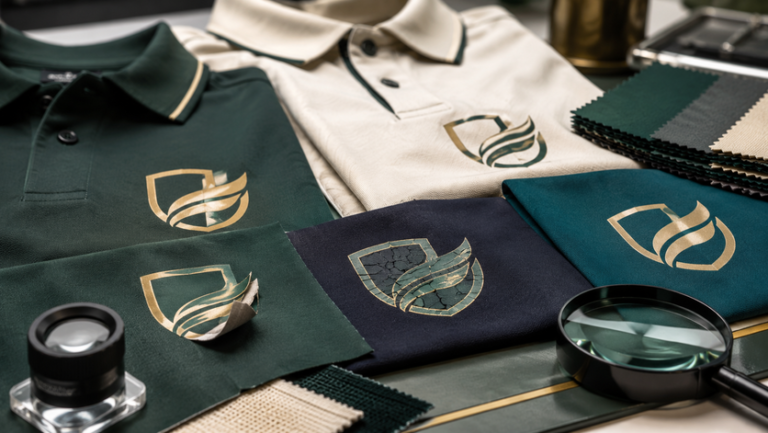
Quick comparison
Why Uniform Logos Crack or Peel
Use this table to identify the likely cause and the most practical prevention step before approving a new uniform order.
| Possible cause | What may happen | How to reduce the risk | When to check |
|---|---|---|---|
| Unsuitable print method | The logo cannot move correctly with the fabric. | Match the decoration method to fabric stretch, texture and use. | Quotation stage |
| Weak artwork preparation | Very thin details or heavy solid areas may not perform as expected. | Adjust line thickness, logo size and unnecessary fine details. | Artwork stage |
| Incorrect heat, pressure or curing | Edges may lift or the print may develop weak bonding. | Use controlled production settings and conduct quality checks. | Production stage |
| Logo placed on a high-stretch area | The print is repeatedly pulled when the garment is worn. | Avoid tight seams, ribbed areas and locations that stretch heavily. | Mockup approval |
| Excessive washing or drying heat | The print may harden, shrink unevenly or weaken over time. | Wash at a moderate temperature and avoid direct high dryer heat. | After delivery |
| Ironing directly over the logo | Surface prints may soften, deform or stick. | Iron inside out or place a protective cloth between the iron and logo. | Daily care |
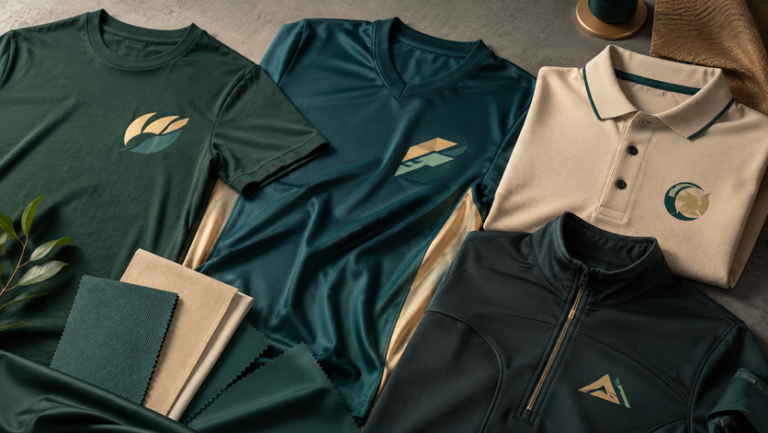
Garment selection
Choose a Uniform That Supports the Logo
The same logo can perform differently on a cotton T-shirt, microfiber sports jersey, honeycomb polo or stretch-heavy workwear. Consider how the team will use the garment before choosing the shirt model.
Good for General Staff and Events
Cotton surfaces usually work well with common printing methods, but the exact fabric finish and shrinkage behaviour should still be considered.
- Choose a stable fabric surface.
- Avoid an oversized print across tight body areas.
- Confirm the shirt's washing recommendation.
Plan for Heat and Performance Use
Sports and outdoor garments may stretch and face heavier perspiration. The print method must suit the material and expected activity.
- Confirm heat suitability before application.
- Keep surface logos away from extreme stretch zones.
- Consider sublimation for full custom designs.
Check the Fabric Texture
Honeycomb, pique and other textured polo fabrics can affect how a surface print sits. Embroidery may be more suitable for selected corporate logos.
- Review the logo at its actual embroidery or print size.
- Avoid placing artwork too close to the placket or seam.
- Keep fine lettering readable.
Reduce Stress on the Print
Fitted apparel can pull a large chest or back logo every time it is worn. A smaller design, different placement or alternative method may be safer.
- Check the garment while gently stretched.
- Use realistic staff sizing.
- Avoid printing across elastic panels or ribbing.
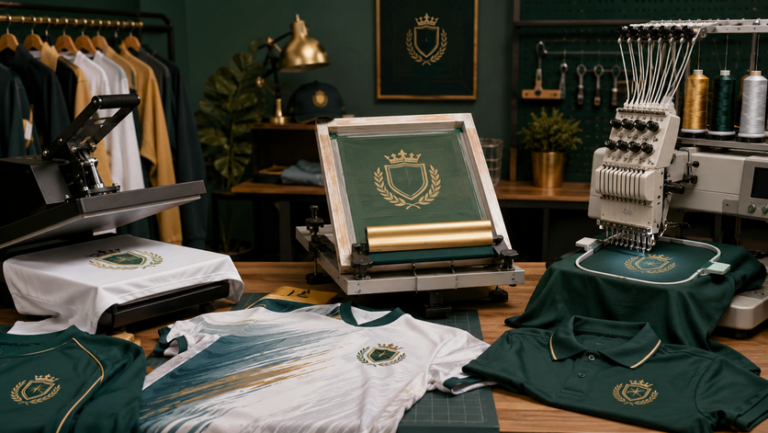
Branding methods
How Each Decoration Method Behaves
Cracking and peeling mainly concern surface-applied prints. Sublimation and embroidery behave differently, so buyers should compare the complete result rather than treating every logo method as the same.
Detailed and Full-Colour Logos
DTF is useful for detailed artwork and smaller quantities. Good bonding, suitable fabric and correct care are important because the design sits on the garment surface.
- Avoid direct ironing over the print.
- Do not repeatedly stretch a large solid design.
- Check edges and small isolated details during inspection.
Practical for Bulk Uniform Orders
Silkscreen can provide a durable result for suitable artwork and fabrics. Ink choice, curing and design thickness must be controlled during production.
- Very heavy ink areas may feel less flexible.
- Incorrect curing can weaken wash performance.
- Fine details should be reviewed before bulk printing.
No Surface Layer to Peel
Sublimation dyes the design into compatible fabric rather than applying a separate surface film. It is a strong option for full-print sportswear and selected microfiber uniforms.
- Suitable for compatible light-coloured polyester fabrics.
- Useful for all-over designs and colour gradients.
- Artwork becomes part of the fabric appearance.
Stitched Corporate Branding
Embroidery does not peel like a heat-applied logo, but poor digitising, unsuitable fabric or very dense stitching can affect the garment finish.
- Best for suitable polo shirts, caps and workwear.
- Keep very small text simple and readable.
- Review backing and stitch density for the selected fabric.
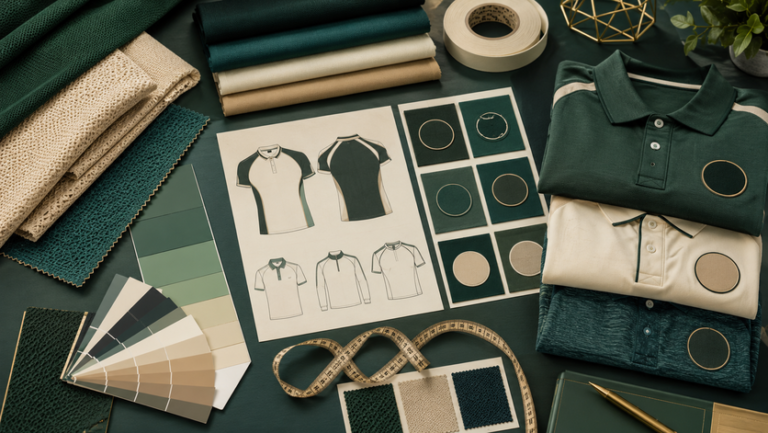
Design planning
Plan the Fabric, Colour and Logo Together
A durable uniform logo is not only a production issue. Design decisions can reduce stress on the print and make future reorders easier to reproduce.
Texture and Stretch
Rough textures, elastic panels and uneven surfaces can affect how a logo bonds or appears.
Large Solid Areas
A very large, heavy logo may flex less comfortably than a balanced design with sensible spacing.
High-Movement Zones
Logos near armpits, side seams, waistbands or tight shoulder areas may face repeated friction and stretching.
Artwork Guidelines for Better Durability
- Supply a clear vector logo where possible.
- Remove unnecessary tiny details that will not reproduce clearly.
- Use line thickness that suits the final logo size.
- Avoid placing a large continuous print across a highly flexible area.
- Approve the actual logo dimensions, not only the visual mockup.
- Keep the approved colour reference for future reorders.
Colour Choices and Heat Exposure
Dark garments and heat-sensitive materials may require additional production planning. Ask the supplier to confirm the recommended method for the selected shirt model instead of assuming that one setting works for every colour.
Ordering process
A Better Process for Long-Lasting Uniform Logos
Explain How the Uniform Will Be Used
Share whether the garment is for office work, outdoor activity, kitchen work, events, sports or daily industrial use.
Confirm the Shirt Model and Fabric
Record the brand, model, fabric type, colour and size range before finalising the decoration method.
Prepare Suitable Artwork
Provide a clean logo file and allow adjustments to very thin lines, tiny text or excessively large solid areas.
Approve Size and Placement
Check the logo width, distance from seams and how the design sits on different garment sizes.
Inspect a Sample When the Risk Is Higher
A sample may be helpful for unusual fabrics, large logos, performance wear, important corporate rollouts or repeat-order colour matching.
Share a Simple Care Guide
Give staff clear washing, drying and ironing instructions so the finished logo is not damaged through avoidable heat or friction.
Buyer scenarios
Examples for Different Uniform Orders
Frequent Washing
A restaurant uniform may be washed often and exposed to heat, oil or repeated friction. Choose a practical fabric and give staff a standard care routine.
Stretch and Perspiration
Outdoor uniforms need comfortable fabric and a logo method that suits movement, perspiration and regular use.
Premium Appearance
For a small chest logo on a textured polo, compare embroidery with suitable printing instead of automatically using a large surface transfer.
Large Back Artwork
Large designs should be reviewed for flexibility, breathability and placement, especially when the shirt has a fitted cutting.
Buyer checklist
Logo Durability Checklist
- The shirt model and fabric composition are confirmed.
- The printing or branding method suits the garment.
- The logo file is clear and production-ready.
- The actual logo width and placement are approved.
- The design avoids high-stretch seams and friction areas.
- A sample or test is considered for higher-risk orders.
- The final order is inspected before distribution.
- Washing and ironing instructions are shared with staff.
- Approved artwork and order records are saved for reorders.
Common Care Mistakes to Avoid
- Washing the uniform in unnecessarily hot water.
- Using high dryer heat for every wash.
- Ironing directly on top of a surface-printed logo.
- Using harsh bleach without checking the garment instructions.
- Stretching or pulling the printed area while the garment is hot.
- Scrubbing the logo aggressively to remove stains.
Frequently asked questions
Questions About Cracked or Peeling Logos
Useful Uniform Sabah resources
Continue Planning Your Uniform Order
Plan a More Durable Uniform Logo
Share your shirt model, quantity, logo file, preferred placement and expected working conditions with Uniform Sabah. The team can recommend a suitable uniform and branding method before production.
WhatsApp Uniform Sabah Visit Uniform SabahOur network
Our Other Company Websites
Explore related uniform, printing and apparel services available through our regional and international websites.