Pros and Cons of Silkscreen Printing
Understand when silkscreen printing offers strong value, durable colour and consistent results—and when another method may be more suitable.
Direct answer
Is Silkscreen Printing a Good Choice?
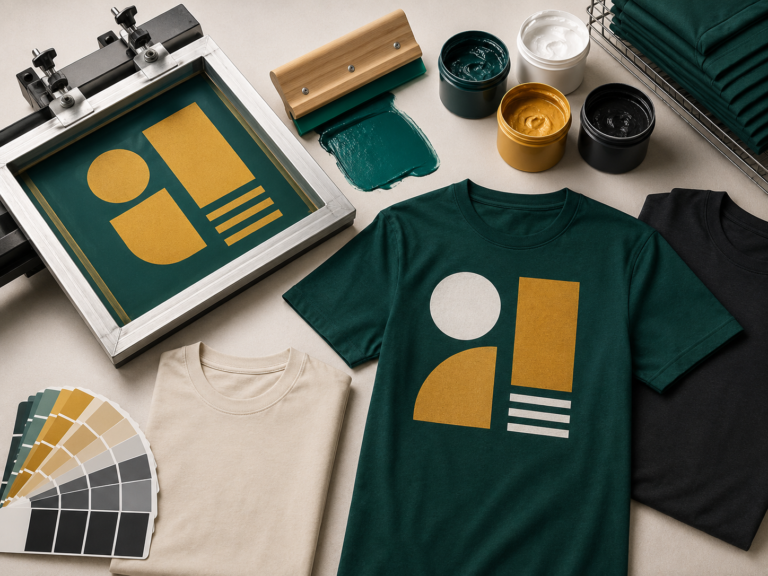
Silkscreen printing is a strong choice for larger quantities using the same simple design. It can produce bold colours, good opacity and durable results on many suitable cotton, blended and selected performance garments.
Its main limitation is setup. Each colour normally requires separate screen preparation, so small quantities, many colours, gradients and frequent design changes may be less practical than DTF printing.
Good for Bulk Orders
Setup becomes more worthwhile when the same artwork is printed repeatedly.
Bold Solid Colours
Suitable ink systems can produce strong, clear logos with good coverage.
Less Flexible for Complex Art
Multiple colours, gradients and personalised names increase complexity.
Quick comparison
Silkscreen Printing Advantages and Disadvantages
| Factor | Advantage | Disadvantage | Best decision |
|---|---|---|---|
| Order quantity | Strong value for suitable medium and large repeated orders | Setup may be inefficient for very small quantities | Use when many garments share the same design |
| Colour output | Bold solid colours with good opacity | Each additional colour increases setup complexity | Best for simple logos with limited colours |
| Durability | Can last well when ink and curing are correctly controlled | May crack or fade under high heat, harsh chemicals or stretching | Match the ink system to the fabric and care routine |
| Artwork | Excellent for clean text, icons and bold graphics | Photographs, gradients and tiny details can be harder to reproduce | Simplify artwork before production |
| Personalisation | Consistent for repeated identical prints | Individual names and numbers require extra processes | Use DTF or vinyl for changing personal details |
| Fabric choice | Suitable for many cotton and blended garments | Some technical fabrics require specialised ink and testing | Confirm the exact shirt before printing |
Best garment choices
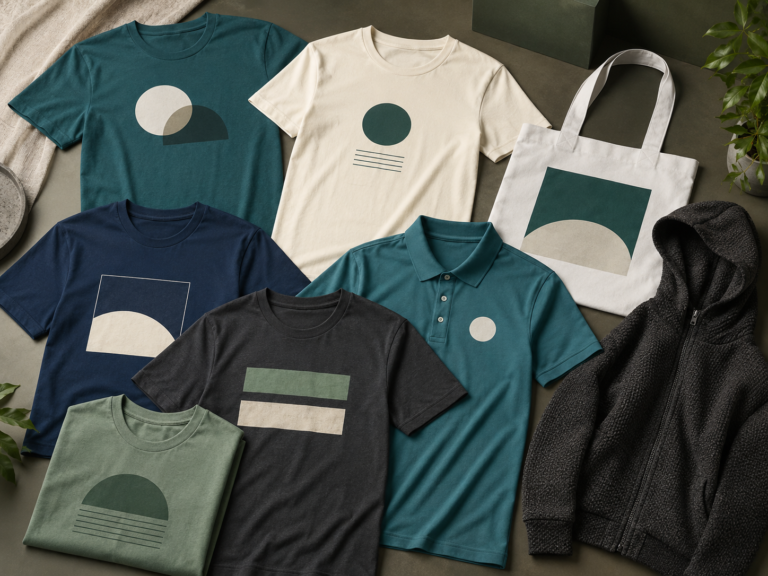
Which Garments Suit Silkscreen Printing?
Cotton T-Shirts
Cotton shirts provide a familiar print surface for event, campaign, merchandise and company designs.
- Suitable for bold front or back artwork
- Useful for large repeated orders
- Available in many colours and weights
- Check shrinkage and fabric quality
Cotton-Blend Shirts
CVC or TC blends can balance softness, shape retention and easier care for workplace uniforms.
- Useful for repeated staff wear
- Can dry faster than heavy cotton
- Suitable for simple logos
- Confirm fabric composition before printing
Selected Quick-Dry Shirts
Some polyester and microfiber garments can be screen printed using suitable inks and controlled production settings.
- Useful for outdoor and active teams
- Requires garment-specific testing
- Heat and dye migration must be considered
- Avoid assuming every performance fabric is the same
Round-Neck Crew Shirts
Simple crew shirts are ideal when every volunteer, participant or staff member receives the same design.
- Good for school and corporate events
- Easy colour coding by group
- Works well with clear back identification
- Plan sizes before production
Tote Bags and Selected Fabric Items
Silkscreen can also suit selected flat textile products with compatible surfaces and production access.
- Useful for campaigns and giveaways
- Simple one-colour logos work well
- Material testing may be required
- Confirm the printable area
Highly Textured or Structured Garments
Thick seams, heavy texture and uneven panels may reduce print contact and consistency.
- Embroidery may suit structured polos better
- DTF may support selected small detailed areas
- Test placement before bulk production
- Avoid printing across seams
Method comparison
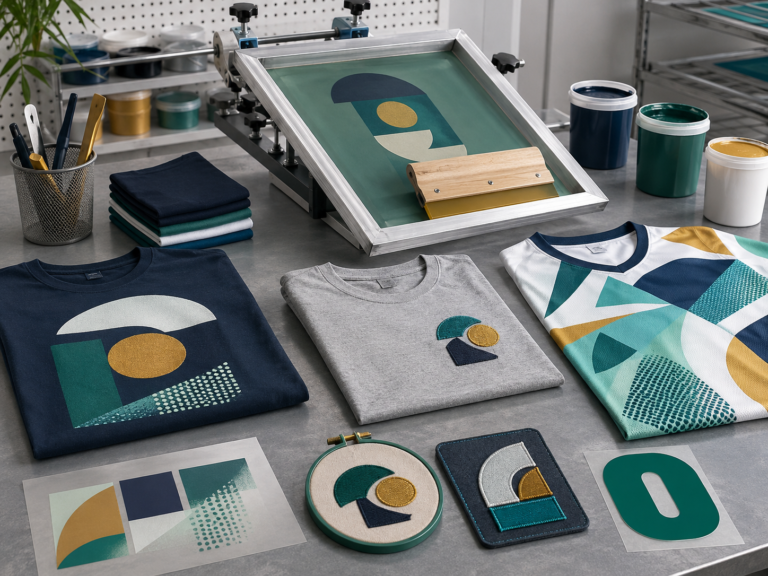
Silkscreen Compared With Other Methods
Bulk Simplicity or Colour Detail
Silkscreen suits repeated simple artwork, while DTF is more flexible for colourful designs, small quantities and changing names.
Flat Print or Stitched Finish
Silkscreen works well for large T-shirt graphics. Embroidery provides a premium finish for compact logos on polos, jackets and caps.
Ready-Stock Shirts or Full Custom Jerseys
Silkscreen suits many ready-stock garments, while sublimation supports full-colour patterns on compatible polyester uniforms.
Repeated Logos or Names and Numbers
Silkscreen is efficient for identical prints. Vinyl is useful for simple personalised names and sports numbers.
When Silkscreen Is Usually the Better Choice
- The same design is repeated across many garments.
- The artwork uses a small number of solid colours.
- The order needs bold front or back graphics.
- The garment has a suitable flat printable surface.
- The buyer wants consistent output across a bulk order.
Artwork and colour guide
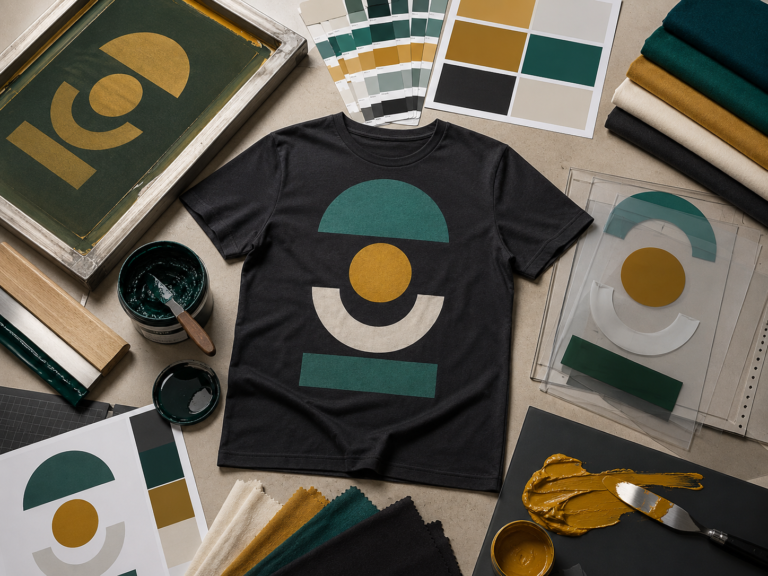
Prepare Artwork for Better Screen Printing
Too Many Tiny Details
Very fine lines and small text may fill in or become unclear after printing.
Too Many Ink Colours
Every additional colour can increase setup, registration and production complexity.
Printing Across Seams
Uneven surfaces can reduce contact and cause inconsistent ink coverage.
Better Artwork Practices
- Use vector artwork where possible.
- Keep text large enough to remain readable.
- Use clear colour separation.
- Limit unnecessary gradients and photographic effects.
- Choose strong contrast between garment and ink.
- Approve the final print size before production.
- Keep important details away from seams and zips.
Durability and Care Tips
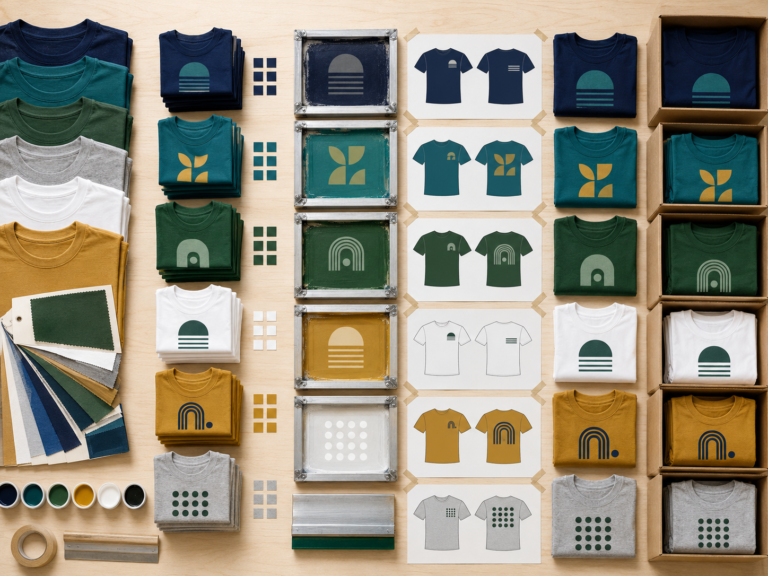
Ordering process
How to Plan a Silkscreen Order
Confirm the Garment
Choose the exact brand, model, colour, fabric and size range before preparing final print specifications.
Finalise the Quantity
Silkscreen value depends heavily on how many garments use the same artwork.
Simplify and Separate Colours
Prepare clear artwork with the final number of print colours and locations.
Approve Size and Placement
Check the design on the actual shirt dimensions and keep it away from seams.
Confirm Production Details
Review ink colour, garment colour, print order and any special handling requirements.
Check and Pack the Order
Inspect print alignment, colour consistency and quantities before packing by size or group.
Buyer scenarios
Where Silkscreen Printing Works Well
Large Crew T-Shirt Order
One or two bold colours can identify staff and volunteers clearly.
House or Club Shirts
Repeated front and back artwork can support class, club or sports-day orders.
Promotional Shirts
Simple slogans and logos are practical when many shirts share the same message.
Repeated Staff Logo
A standard design can be reused for future orders when specifications remain consistent.
Bold Graphic T-Shirts
Strong solid designs can create a classic printed T-shirt appearance.
Silkscreen Plus DTF
Use silkscreen for the repeated logo and DTF for changing names or roles.
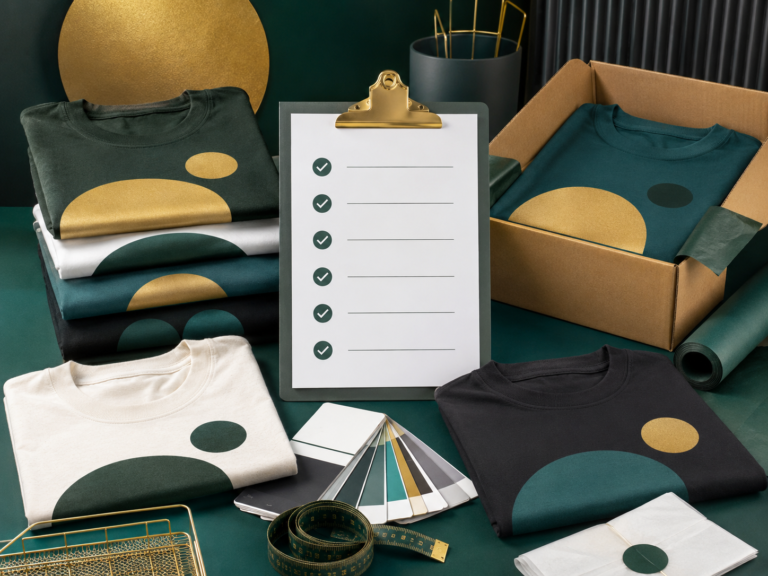
Buyer checklist
Silkscreen Printing Checklist
- The exact garment model and fabric are confirmed.
- The final quantity is known.
- The artwork uses suitable solid colours.
- Text and fine lines are large enough.
- The print size and placement are approved.
- The design avoids seams, zips and heavy texture.
- Garment and ink colours have enough contrast.
- Personalised names are handled separately.
- Care instructions are shared with wearers.
- Repeat-order specifications are saved.
Common Silkscreen Mistakes
- Using too many colours for a small order.
- Submitting low-quality artwork.
- Printing over seams or uneven surfaces.
- Choosing the method before confirming the fabric.
- Expecting photographic detail from simple spot-colour printing.
- Washing or drying printed shirts at excessive heat.
Frequently asked questions
Questions About Silkscreen Printing
Useful Uniform Sabah resources
Plan Your Custom Shirt Order
Check Whether Silkscreen Suits Your Order
Share your garment, quantity, artwork, print colours, sizes and Sabah delivery location for a suitable printing recommendation.
WhatsApp Uniform Sabah Explore Uniform SabahOur company network
Our Other Company Websites
Explore related uniform, apparel and custom-printing services through our regional and international websites.