What GSM Means When Buying T-Shirts
GSM is one of the most useful specifications to check when comparing T-shirts, but it is often misunderstood. A higher number does not automatically mean a better shirt. GSM mainly tells you how much the fabric weighs per square metre, while comfort, softness, breathability, opacity and durability also depend on the fibre, knit, yarn, finishing and garment construction.
What does GSM mean on a T-shirt?
GSM means grams per square metre. It measures the weight of the fabric rather than the total weight of the finished shirt. As a general buying rule, lower-GSM T-shirts tend to feel lighter, while higher-GSM shirts tend to feel more substantial. However, two shirts with the same GSM can still feel very different if they use different fibres, knit structures or finishes.
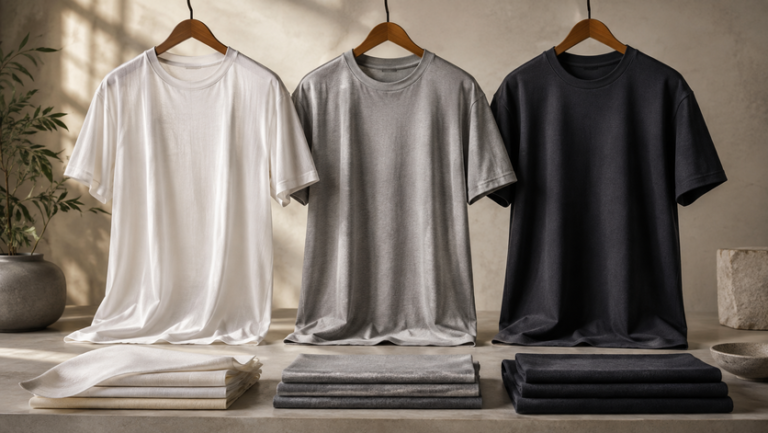
T-Shirt GSM Ranges at a Glance
GSM is best used as a comparison tool. The ranges below are practical buying references rather than strict industry rules because fabric construction and finishing can change how a shirt actually feels.
| Approximate GSM | Typical feel | Common use | What buyers should consider |
|---|---|---|---|
| 120–150 GSM | Lightweight and usually easier to wear in warm conditions. | Events, sports activities, quick-dry shirts, promotional tees and active crews. | Check opacity, fabric type and print compatibility, especially on light colours. |
| 160–180 GSM | Balanced everyday weight with a familiar T-shirt feel. | Company tees, school activities, uniforms, casual merchandise and repeated wear. | A versatile starting point when you want comfort without an overly light feel. |
| 190–220 GSM | More substantial, structured and usually less flimsy in hand. | Premium company shirts, merchandise, streetwear-inspired tees and heavier cotton tops. | May feel warmer; check whether the work environment is air-conditioned, indoor or outdoor. |
| 230 GSM and above | Heavyweight, dense and noticeably more substantial. | Oversized tees, fashion merchandise, premium casualwear and statement products. | Excellent when structure matters, but not always ideal for long outdoor wear in hot weather. |
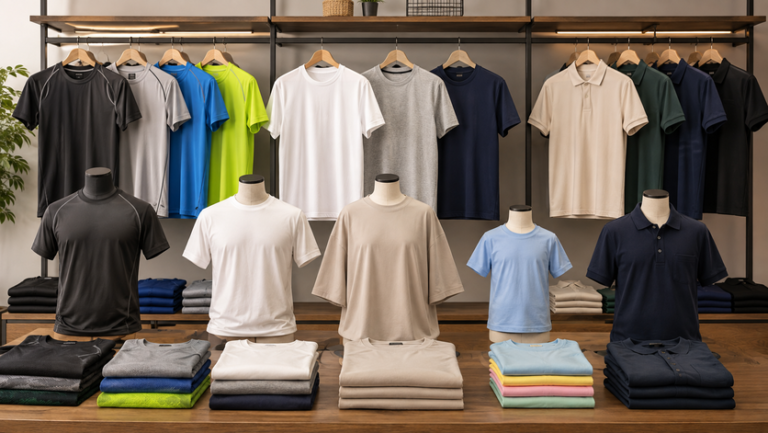
Which GSM Range Fits Different T-Shirt Uses?
Instead of asking for the highest GSM available, start with the way the shirt will actually be worn. Climate, staff activity, desired appearance and wash frequency often matter more than the number alone.
120–150gsm for active and event use
This range is useful when buyers prioritise lower fabric weight, easy movement and a lighter feel. It is common in quick-dry microfiber tees and event shirts.
- Sports day and school activities
- Outdoor event crews and volunteers
- Company runs, roadshows and campaigns
- Quick-dry team shirts
160–180gsm for general company wear
This middle range is a practical place to start for many cotton and blended T-shirts because it balances body, comfort and everyday versatility.
- General company uniforms
- Retail and service teams
- School club shirts
- Corporate event merchandise
190–220gsm for a firmer, more structured feel
Buyers often move into this range when they want the shirt to feel more solid, look less lightweight and support a more premium casual presentation.
- Premium staff tees
- Brand merchandise
- Indoor teams and air-conditioned workplaces
- Retail apparel with stronger perceived weight
230gsm and above for oversized and fashion-led tees
Heavyweight shirts are popular when buyers want a boxier silhouette, stronger drape and a more substantial handfeel rather than maximum cooling.
- Oversized T-shirts
- Streetwear-style merchandise
- Premium campaign drops
- Casual uniforms where fashion is part of the brand
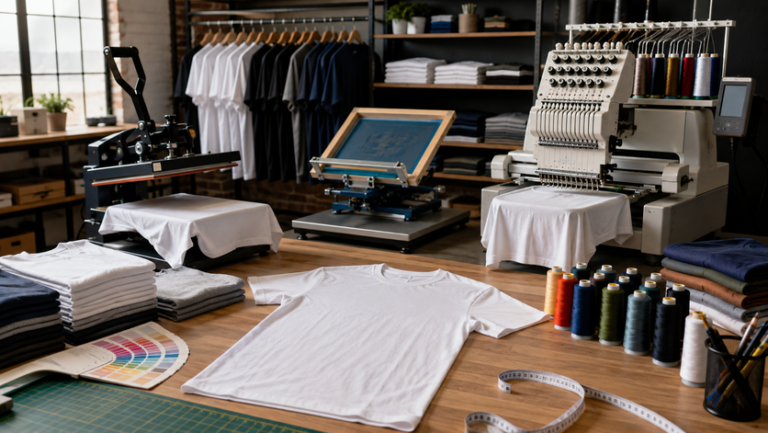
How GSM Affects T-Shirt Printing and Branding
GSM does not decide the printing method by itself, but fabric weight can affect how stable the garment feels during printing and how the finished design sits on the shirt. Fibre type and surface texture are equally important.
| Branding method | GSM considerations | Best planning approach |
|---|---|---|
| DTF printing | Works across many T-shirt weights, but a very large print can feel relatively heavier on a very light shirt. | Balance artwork size with the garment weight, especially for large front or back graphics. |
| Silkscreen printing | Suitable across light, medium and heavier tees when the ink system matches the fabric. | Keep large solid ink areas comfortable by matching the artwork and ink coverage to the shirt. |
| Embroidery | Heavier or more stable fabric generally supports stitching more easily than a very lightweight tee. | Use compact logos, suitable backing and controlled stitch density on lighter garments. |
| Heat transfer / vinyl | Can work across many weights, but the transfer itself adds a layer to the fabric. | Useful for names, numbers and role labels where personalisation is more important than an ultra-soft handfeel. |
| Sublimation | GSM matters less than polyester content and whether the garment is designed for sublimation. | Choose a purpose-made polyester garment when the design needs full coverage or all-over colour. |
Most GSM ranges can work
A small chest print is relatively easy to manage. The main decision is usually the artwork method, fabric type and desired finish rather than GSM alone.
Consider total print coverage
A large print changes breathability and handfeel. On a lightweight shirt, the printed area may feel more noticeable compared with the surrounding fabric.
Stability matters more
If embroidery is required, choose a garment that can support the stitch density without excessive pulling, distortion or stiffness around the logo.
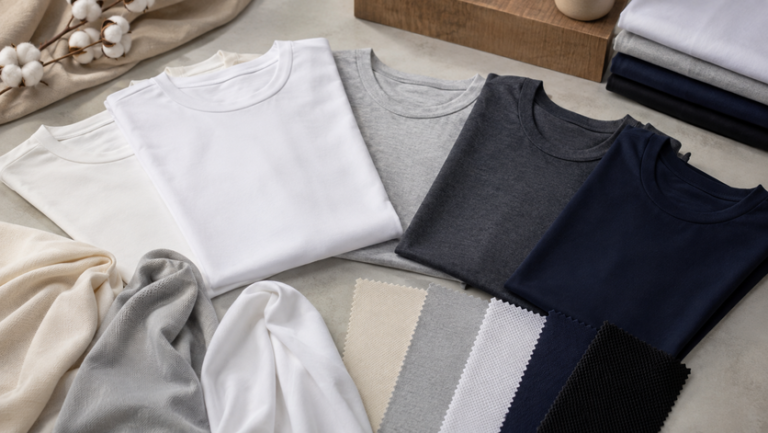
Why GSM Does Not Tell the Whole Story
Buyers often compare two shirts only by GSM, but several other specifications can change the comfort, appearance and performance. Treat GSM as one part of the fabric decision rather than the final answer.
150gsm cotton and 150gsm microfiber are not the same
Cotton, polyester, microfiber and blended fabrics behave differently even at the same weight. Cotton often gives a familiar natural handfeel, while quick-dry polyester fabrics are usually chosen for moisture management and active use.
The way the fabric is knitted changes the feel
Jersey, mini eyelet, pique, interlock and other constructions can alter stretch, airflow, drape and surface texture. Two fabrics can share the same GSM but feel noticeably different in the hand.
Light colours can appear more transparent
White and very pale shirts may show more underneath than darker colours, especially in lighter fabrics. If opacity matters, inspect the actual garment rather than assuming the GSM alone will solve it.
Heavy fabric does not automatically mean a better fit
Shoulder width, chest width, length and silhouette have a larger effect on fit. A 240gsm oversized tee and a 240gsm regular-cut tee can look completely different.
Four GSM Assumptions to Avoid
How to Choose the Right GSM Before Ordering
A good T-shirt specification starts with use case and fabric type, then narrows down the GSM. This order prevents buyers from selecting a heavy or light shirt that does not suit the actual working environment.
Define how the shirt will be used
Is it for outdoor work, an indoor office, a sports event, merchandise, school activities or daily uniform wear? The use case should come first.
Choose the material direction
Decide whether cotton, quick-dry microfiber, polyester or a blended fabric better matches the comfort and maintenance needs of the wearer.
Shortlist an appropriate GSM range
Compare lightweight, everyday, substantial and heavyweight options based on climate, desired handfeel and how structured the shirt should look.
Check the actual size chart and sample
GSM does not explain fit. Compare garment measurements and, where possible, review a sample before confirming a large team order.
Match the printing method
Confirm whether the design will use DTF, silkscreen, embroidery, heat transfer or another method, then check how it will feel on the selected garment.
Finalise colour, quantity and delivery
Prepare the colour choice, size breakdown, total quantity, artwork and Sabah delivery details before approving the order.
Examples of Choosing GSM by Real Use Case
Prioritise lightness and moisture management
A lighter quick-dry tee may be more comfortable than a heavyweight cotton tee. The fabric type is at least as important as the GSM number.
Choose balance over extremes
A medium-weight T-shirt can provide a more substantial everyday feel without moving all the way into heavyweight fashion territory.
Use higher GSM when structure is part of the product
A heavier tee can support an oversized or premium fashion direction, especially when the buyer wants a denser handfeel and stronger drape.
Think about comfort, budget and repeat use
The best option may sit in a lighter or middle GSM range depending on whether the shirt is used for sports, classroom activities, events or general club wear.
What to Check Before Choosing a T-Shirt by GSM
Use this checklist when comparing quotations, product listings or garment samples.
- The fabric composition is clearly stated.
- The GSM is confirmed for the actual garment or fabric.
- The shirt is suitable for the intended indoor or outdoor use.
- The actual size chart has been reviewed.
- The garment colour has enough opacity for the intended use.
- The printing or embroidery method matches the fabric.
- Large artwork has been checked for comfort and print coverage.
- The required sizes and colours are available.
- A sample has been considered for larger orders.
- The final quantity and Sabah delivery details are ready.
T-Shirt GSM FAQ
What does GSM stand for?
Does higher GSM mean better quality?
Is 150gsm too thin for a T-shirt?
Is 180gsm good for company uniforms?
What GSM is best for hot weather?
What GSM is best for oversized T-shirts?
Can two 180gsm shirts feel different?
Does dark fabric need a higher GSM than white fabric?
Does GSM affect printing?
Should I request a sample before a bulk T-shirt order?
Compare T-Shirt Fabrics Before You Order
Share your quantity, use case, preferred material, artwork and delivery location. Uniform Sabah can help you compare T-shirt options based on fabric weight, comfort, printing needs and the way your team will actually wear them.
Keep Comparing T-Shirt and Uniform Options
Review related pages for custom apparel ideas, company information and alternative garment directions.
Our Other Company Websites
Explore related uniform, apparel and custom-printing services through our regional and international websites.