How to Protect Printed Shirts From Pet Claws
Reduce scratching, snagging and stretched prints when living, working or playing with cats, dogs and other pets.
Direct answer
How Can Pet Owners Protect Printed Shirts?
Keep pets' claws maintained, avoid encouraging jumping against the chest, store printed shirts away from sleeping and scratching areas, and change into older clothing before energetic play or grooming.
When carrying a pet, support its body securely so it does not grip the shirt with its claws. Surface prints such as DTF and silkscreen need the most protection from direct scratching, while embroidery can catch and pull when claws hook into the stitches.
Keep Claws Maintained
Regular claw care reduces sharp tips that can catch fabric and printed surfaces.
Change Your Shirt
Wear an older or plain shirt during rough play, bathing and grooming.
Letting Pets Jump Up
Front claws can scrape across chest prints, names and embroidered logos.
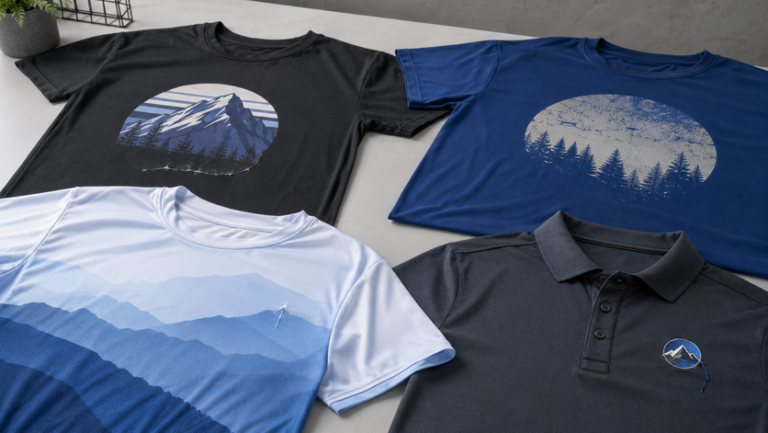
Quick comparison
Pet-Claw Risk by Decoration Method
| Method | Main claw risk | Best protection | If damage happens |
|---|---|---|---|
| DTF printing | Scratches, cuts or lifted edges on the transfer surface | Avoid direct paw contact and stretching across the print | Stop wearing if edges lift further; ask the supplier whether repair is practical |
| Silkscreen printing | Surface abrasion and cracking after repeated scratching | Keep claws away from large chest and back prints | Do not pull or peel damaged ink; continue gentle care |
| Sublimation | Fabric snagging rather than surface-print peeling | Choose smoother fabric and avoid rough play in the shirt | Trim only loose fabric fibres carefully; severe pulls may not be reversible |
| Embroidery | Claws catching and pulling raised stitches | Keep pets away from chest logos and embroidered names | Do not pull loose threads; ask an embroidery provider about repair |
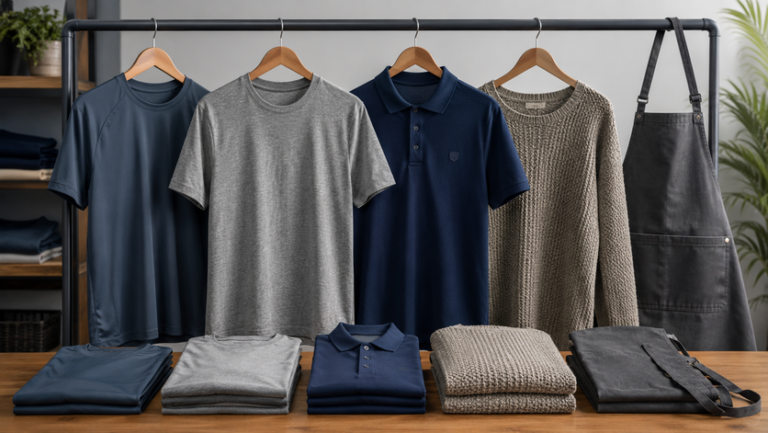
Shirt and fabric choices
Which Shirts Are Easier to Protect?
No shirt is claw-proof, but smoother fabrics, smaller decoration areas and practical garment choices can reduce the chance of visible damage.
Performance Polyester
Smooth quick-dry fabric may collect less loose fur than heavily textured material, but a sharp claw can still create a pull.
- Useful for active pet owners and outdoor work
- Choose smaller chest artwork where possible
- Check the fabric for snags after pet handling
Medium-Weight Cotton
A medium-weight cotton shirt can feel comfortable and may tolerate daily use better than an extremely thin fashion tee.
- Choose a practical regular fit
- Avoid very large surface transfers
- Use a separate shirt for grooming sessions
Structured Polo Shirt
Polo shirts suit pet shops, grooming teams and veterinary reception staff, especially with a compact logo rather than a large front print.
- Place the logo high on the chest
- Keep the design compact and readable
- Consider a replaceable apron for messy duties
Loose Knits and Raised Details
Open textures, decorative stitching and large embroidery areas provide more places for claws to catch.
- Avoid loose-loop fabric for direct animal handling.
- Keep embroidery small and tightly finished.
- Inspect loose threads before wearing again.
Useful Apparel Brands Available Through Uniform Sabah
Depending on the required fabric, cutting, colour and size range, buyers can compare ready-stock options from brands such as Oren Sport, Gildan, Ultifresh, Crossrunner, Enzo, HYDT, Rightway and North Harbour.
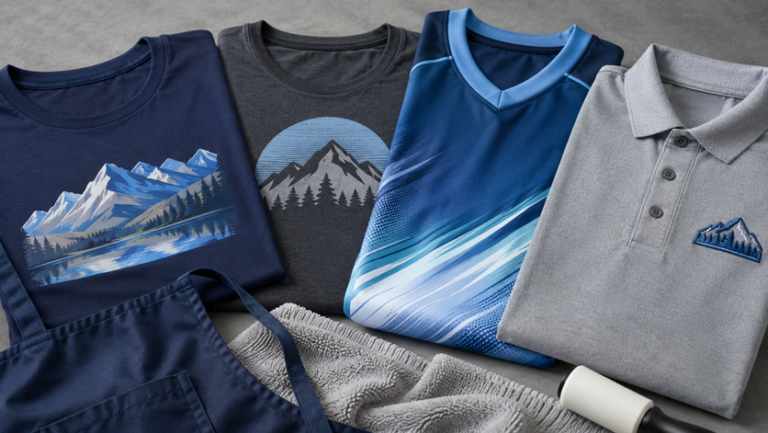
Printing and decoration
How to Protect Each Decoration Method
Protect the Transfer Edges
DTF designs sit on the garment surface. Repeated claw contact can scratch the print or catch an edge.
- Keep large chest prints away from direct paw contact.
- Do not stretch the printed area while carrying a pet.
- Wash inside out and avoid direct ironing.
Reduce Surface Abrasion
Silkscreen ink can handle regular wear, but scratching and repeated friction may mark the surface or contribute to cracking.
- Use compact artwork for pet-handling uniforms.
- Avoid brushing pet fur aggressively over the print.
- Wash gently and air-dry when possible.
Protect the Fabric From Snags
Sublimation has no raised transfer layer, so the main concern is a claw pulling the polyester fabric itself.
- Choose a smooth, suitable polyester fabric.
- Inspect pulled fibres before washing.
- Do not cut into the garment when trimming a loose fibre.
Prevent Claws Catching Stitches
Raised embroidery can be durable in washing but vulnerable to snagging when claws hook under the stitches.
- Use a compact logo with controlled stitch density.
- Do not pull loose thread ends.
- Ask for repair advice when stitches become damaged.
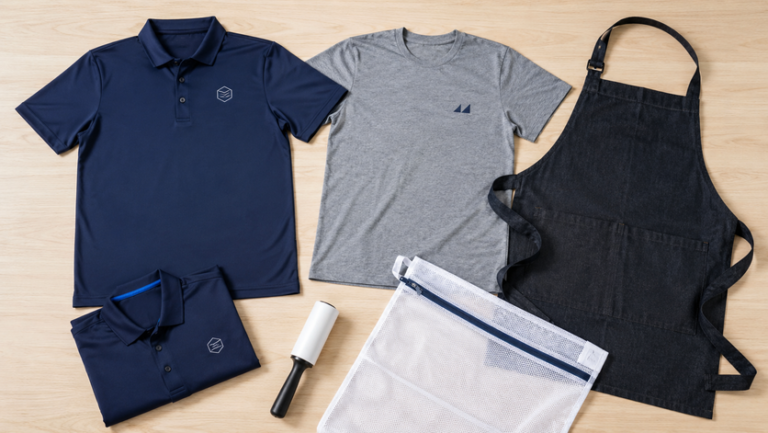
Material and design guide
Design Shirts for Pet-Friendly Daily Use
Good design choices cannot stop every scratch, but they can reduce the amount of decoration exposed to paws and make the garment easier to maintain.
Large Centre-Chest Prints
Pets often place their front paws on the chest, making this area more exposed.
Very Loose Shirts
Loose fabric is easier for claws to catch during jumping or energetic play.
Raised or Open Details
Thick embroidery, loose knit textures and decorative loops may snag more easily.
Safer Design Choices
- Use a small left- or right-chest logo.
- Keep names and role text compact.
- Avoid placing important artwork near the lower front hem.
- Choose a regular fit instead of excessively loose fabric.
- Use an apron or over-garment during grooming and feeding.
- Keep one spare uniform for unexpected damage.
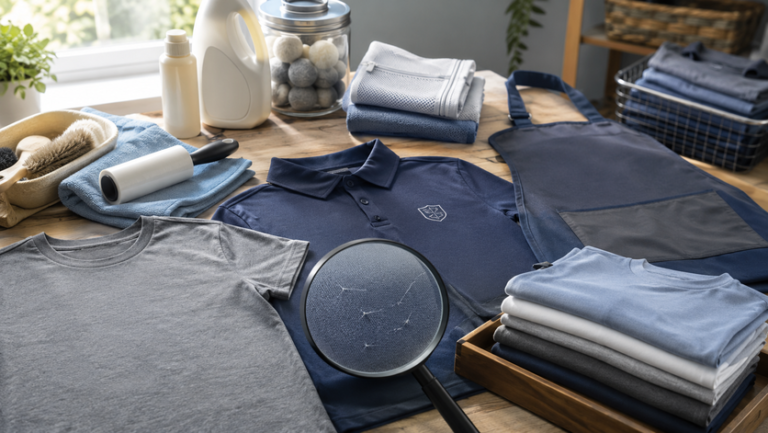
Practical Pet-Owner Clothing Kit
Protection process
Six Steps to Reduce Pet-Claw Damage
Choose the Right Shirt for the Activity
Wear a plain or older shirt for rough play, grooming, bathing and nail-care sessions.
Maintain Claws Safely
Follow appropriate claw-care guidance or use a professional groomer when needed.
Discourage Jumping on Clothing
Reward calm greetings and redirect energetic pets before their paws reach the shirt.
Support the Pet Securely
When lifting a pet, support its body so it does not cling to the garment for balance.
Inspect the Shirt After Contact
Check for lifted print edges, scratches, fabric pulls and loose embroidery threads.
Wash and Store Carefully
Turn the shirt inside out, wash gently and store it away from pet beds and scratching areas.
Pet-owner scenarios
Protection Tips for Different Situations
Protect Against Climbing and Kneading
Avoid wearing important printed shirts when a cat is likely to climb, knead or settle on the chest.
Manage Excited Greetings
Change before playtime and discourage jumping that places front paws on printed areas.
Use an Apron or Protective Layer
Wear a washable apron over a branded polo to protect the logo and main garment during handling.
Keep Spare Uniforms Ready
Use compact branding and maintain spare garments for snags, stains and unexpected damage.
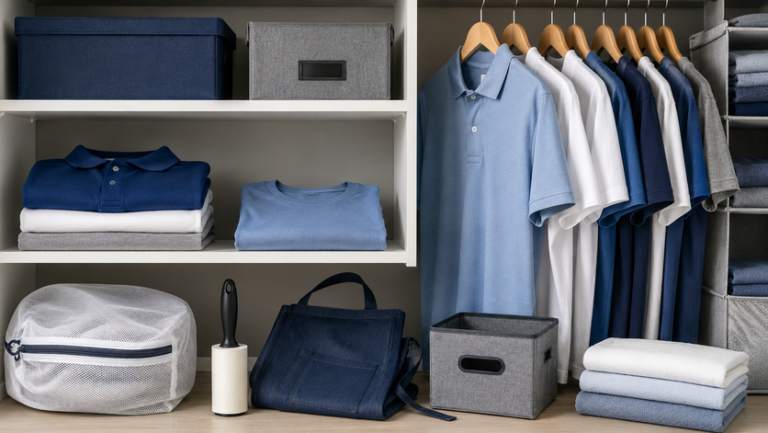
Care checklist
Pet-Claw Protection Checklist
- Important printed shirts are not worn during rough play.
- Pets' claws are maintained using a safe method.
- Jumping against the chest is discouraged.
- The pet is supported securely when carried.
- An apron or protective layer is used for grooming.
- The shirt fit is not excessively loose.
- Large printed areas are kept away from regular paw contact.
- Loose embroidery threads are never pulled.
- Damage is inspected before washing.
- Printed shirts are stored away from pet sleeping and scratching areas.
Common Mistakes
- Wearing a valuable personalised shirt during energetic play.
- Allowing pets to climb the front of the body.
- Pulling a loose embroidery thread.
- Stretching a scratched DTF transfer to inspect it.
- Using strong glue or direct heat for home repairs.
- Storing clean shirts where pets can sleep or scratch on them.
Frequently asked questions
Questions About Pet Claws and Printed Shirts
Useful Uniform Sabah resources
Continue Planning Your Custom Shirts
Choose Pet-Friendly Custom Workwear
Share your work environment, animal-handling duties, preferred garment, quantity, sizes and decoration method with Uniform Sabah.
WhatsApp Uniform Sabah Visit Uniform SabahOur network
Our Other Company Websites
Explore related uniform, printing and apparel services through our regional and international websites.