How to Choose Staff Uniforms by Industry
Match fabric, fit, branding and garment type to the work environment instead of giving every department the same shirt.
Direct answer
Why Should Uniforms Match the Industry?
Different industries place different demands on staff clothing. Office teams may need a polished appearance, while factory, logistics and outdoor workers need easier movement, breathable fabric and practical layering. F&B and retail teams may need uniforms that remain neat while supporting frequent washing.
The best staff uniform should support the employee’s role, working temperature, movement, customer contact, washing frequency and branding requirements.
Comfort and Movement
Consider heat, air-conditioning, lifting, walking, bending and outdoor exposure.
Professional Appearance
Match colours, logo placement and garment structure to the customer-facing role.
Easy Maintenance
Choose garments that suit the organisation’s washing and replacement routine.
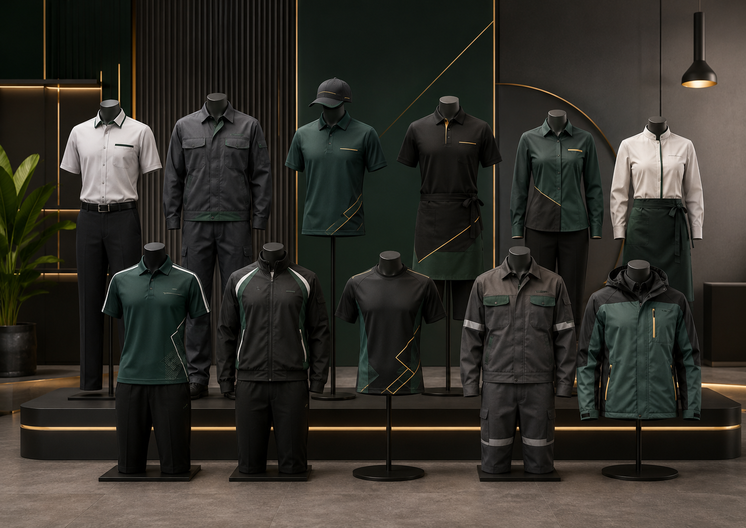
Quick industry comparison
Uniform Recommendations by Industry
| Industry | Suggested garments | Useful fabric direction | Branding method | Key priority |
|---|---|---|---|---|
| Corporate office | Polo shirt, corporate shirt, jacket | Structured cotton blend, pique or easy-care fabric | Embroidery or compact DTF | Professional appearance and consistent fit |
| Retail | Polo, T-shirt, apron or light outerwear | Comfortable, easy-care fabric | Embroidery, DTF or silkscreen | Neat appearance and easy staff recognition |
| F&B and hospitality | Polo, corporate shirt, apron, cap or jacket | Breathable and practical for frequent washing | Embroidery or compact printed logo | Clean presentation and role identification |
| Factory and warehouse | Quick-dry tee, long sleeve, vest or selected workwear | Breathable performance fabric or durable blend | Silkscreen, DTF or embroidery | Movement, department visibility and durability |
| Logistics and delivery | Quick-dry shirt, polo, long sleeve or outer layer | Fast-drying lightweight fabric | Silkscreen, DTF or selected reflective branding | Comfort in heat and clear company identification |
| Healthcare and wellness | Polo, scrub-style top, jacket or modest uniform | Comfortable, easy-care fabric | Embroidery or small printed branding | Clean appearance and unrestricted movement |
| Education | Polo, T-shirt, sports jersey or jacket | Cotton, quick-dry or polyester depending on activity | DTF, silkscreen, embroidery or sublimation | Comfort, school identity and mixed sizing |
| Sports and events | Performance tee, polo or full sublimation jersey | Microfiber or compatible polyester | Sublimation, DTF or silkscreen | Movement, breathability and bold visual identity |
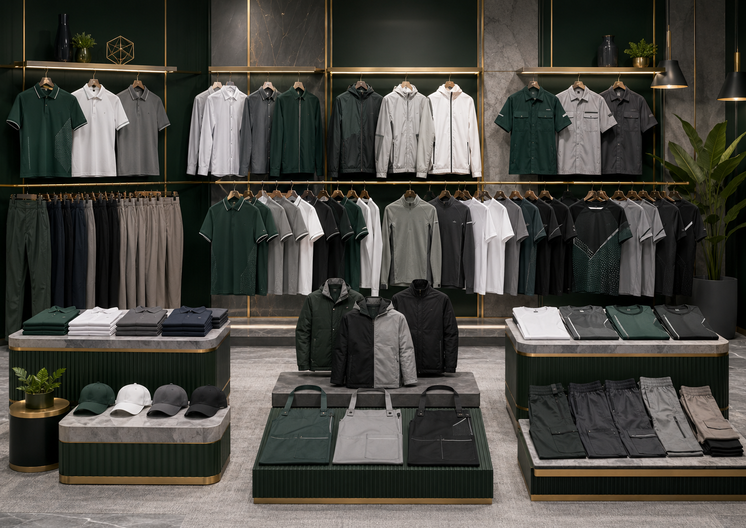
Industry uniform options
Uniform Ideas for Different Workplaces
Polished Daily Uniforms
Polos, corporate shirts and light jackets help office, sales and management teams look organised without feeling overly formal.
- Use structured collars and clean logo placement.
- Choose colours that match the company identity.
- Provide comfortable movement for sitting and travel.
- Plan separate options for formal and casual days.
Easy Staff Recognition
Customer-facing teams benefit from visible branding, practical colours and garments that stay neat during long shifts.
- Use clear front or chest branding.
- Choose colours that are easy to maintain.
- Consider aprons or light outerwear by role.
- Keep the fit consistent across the team.
Neat and Practical Apparel
Polos, corporate shirts, aprons, caps and jackets can help identify service, kitchen and front-desk roles.
- Choose breathable fabric for warm areas.
- Use darker colours in stain-prone roles.
- Keep branding compact and professional.
- Plan enough uniforms for frequent washing.
Movement and Department Visibility
Quick-dry shirts, long sleeves, vests and selected workwear can support active indoor and semi-outdoor duties.
- Allow lifting, reaching and bending.
- Use colours to identify departments where useful.
- Avoid oversized decoration in high-friction areas.
- Separate normal uniforms from certified PPE.
Lightweight Performance Uniforms
Quick-dry T-shirts, polos, long sleeves and outer layers can help teams manage heat, movement and changing weather.
- Prioritise lightweight fast-drying fabric.
- Use long sleeves when extra coverage is useful.
- Keep logos clear from a distance.
- Consider separate rain or outer layers.
Mixed Sizes and Active Use
Cotton tees, quick-dry shirts, polos and sublimation jerseys can support teachers, students, clubs and sports teams.
- Use exact adult, youth and children’s size charts.
- Choose fabric based on activity level.
- Plan class, house or team identification.
- Check names and numbers carefully.
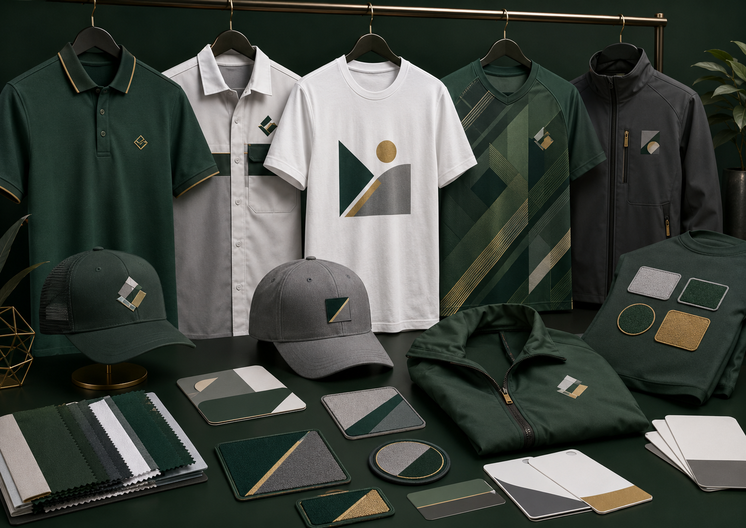
Printing and branding
Choose the Right Branding Method
Professional and Structured
Embroidery suits compact logos on polos, corporate shirts, jackets and caps. It works well for offices, retail, hospitality and management teams.
Detailed and Flexible
DTF supports colourful logos, names and smaller quantities on many compatible T-shirts, polos and workwear garments.
Practical for Bulk Orders
Silkscreen is useful for repeated simple designs on larger uniform, event or campaign orders.
Full-Colour Teamwear
Sublimation is suitable for compatible polyester jerseys with patterns, names, numbers and integrated sponsor branding.
Branding Placement by Role
- Use a compact chest logo for office and customer-facing teams.
- Use larger back branding for crews, logistics and event staff.
- Use names or departments only when they improve operations.
- Keep decoration away from backpack straps and high-friction areas.
- Check whether aprons, vests or jackets will cover important information.
- Keep safety markings separate from ordinary decorative printing.
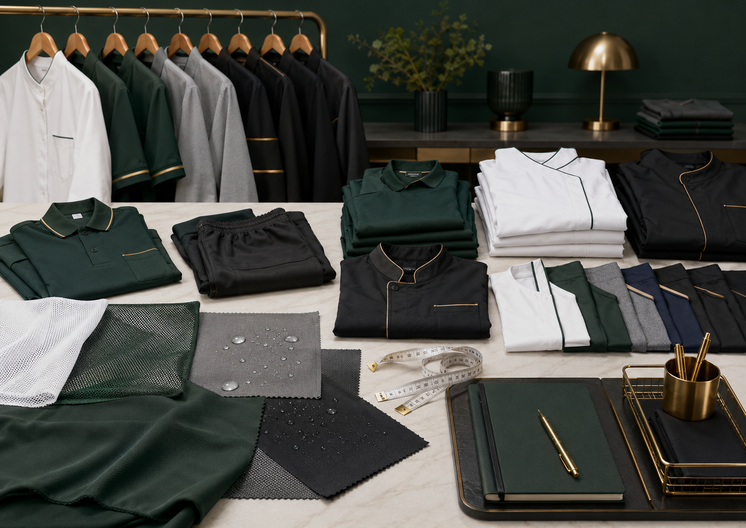
Material and design guide
Match Fabric, Colour and Fit to the Job
Using One Fabric Everywhere
Air-conditioned offices and hot outdoor roles usually need different fabrics.
Choosing Only by Branding
Very light colours may show stains quickly in workshops, kitchens or warehouses.
Ignoring Work Movement
A neat-looking uniform can still fail when it restricts lifting, bending or walking.
Useful Fabric Directions
Practical Colour Planning
- Use darker colours for stain-prone or outdoor duties.
- Use lighter colours where heat reflection and clean presentation matter.
- Use high contrast between the garment and logo.
- Limit department colours to a manageable system.
- Check whether the chosen colour is available across required sizes.
- Plan future reorders before choosing unusual colours.
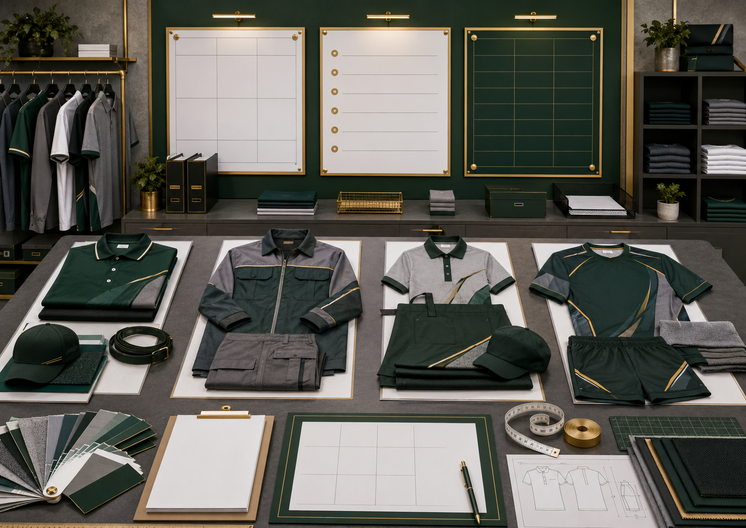
Ordering process
Build an Industry-Specific Uniform Plan
List the Job Roles
Separate office, customer service, factory, outdoor, management and support roles.
Review the Work Environment
Note temperature, movement, stain exposure, customer contact and washing frequency.
Choose Garments by Department
Select polos, tees, corporate shirts, jackets, long sleeves or jerseys by role.
Standardise the Brand Identity
Keep the logo, colour family and design language consistent across departments.
Collect Accurate Sizes
Use the exact size chart for every selected garment model and confirm larger sizes.
Approve and Plan Reorders
Confirm artwork, quantities, delivery details and a future replacement process.
Buyer scenarios
Examples of Mixed Uniform Programmes
Front Counter and Stockroom
Use structured polos for front-counter staff and lightweight quick-dry shirts for stockroom or delivery duties, while keeping the same logo and colours.
Front-of-House and Back-of-House
Use polished corporate apparel for guest-facing staff and practical washable uniforms for kitchen or support roles.
Office, Production and Warehouse
Use polos or corporate shirts for office staff, quick-dry garments for active teams and separate approved safety equipment where required.
Teachers, Clubs and Sports Teams
Use polos for teachers, printed T-shirts for clubs and sublimation jerseys for sports.
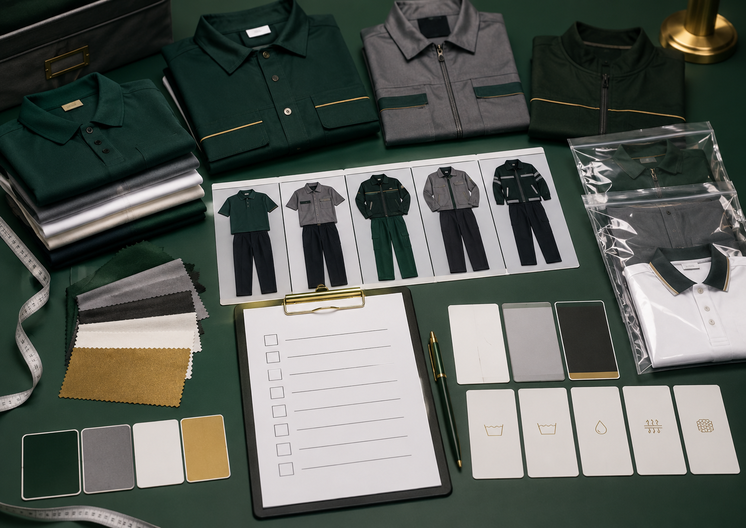
Buyer checklist
Industry Uniform Checklist
- Every job role and department is listed.
- The work temperature and movement requirements are reviewed.
- The garment type matches the role.
- Fabric is suitable for washing frequency and climate.
- Colours support both branding and practical use.
- The printing method suits the garment.
- Exact product size charts are used.
- Larger and smaller sizes are confirmed.
- The digital mockup is approved.
- Future replacements and reorders are planned.
Common Selection Mistakes
- Giving every department the same garment.
- Choosing appearance without considering movement.
- Using heavy fabric in hot or active roles.
- Selecting light colours for stain-prone duties.
- Ignoring exact size charts.
- Treating ordinary uniforms as certified PPE.
Frequently asked questions
Questions About Industry Uniforms
Useful Uniform Sabah resources
Continue Planning Your Staff Uniforms
Choose Uniforms That Match the Job
Share your industry, departments, staff quantity, working environment, preferred garment, logo and Sabah delivery location with Uniform Sabah.
WhatsApp Uniform Sabah Explore Uniform SabahOur company network
Our Other Company Websites
Explore related uniform, apparel and custom-printing services through our regional and international websites.