How to Create a Uniform Specification Sheet
Document every garment, fabric, colour, size, logo, decoration and packing requirement so suppliers can quote and reproduce your uniforms consistently.
Direct answer
What Is a Uniform Specification Sheet?
A uniform specification sheet is a written reference that explains exactly what must be supplied. It normally records the garment brand and model, fabric, colour, size range, logo placement, printing method, individual names, quantities, packing instructions and approval details.
The document becomes a shared reference for the buyer, designer, production team and future reorders. It reduces misunderstandings caused by verbal instructions, screenshots, incomplete artwork and changing size lists.
Fewer Assumptions
Suppliers can price the correct garments, decoration and packing requirements.
Consistent Output
Approved measurements, colours and logo positions become easier to follow.
Reusable Records
Future staff replacements can follow the same approved uniform standard.
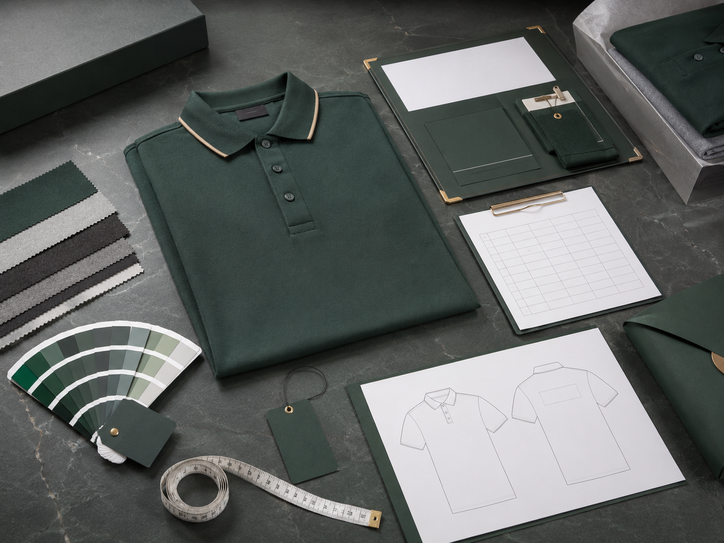
Quick specification table
What Information Should the Sheet Include?
| Specification area | What to record | Example | Why it matters |
|---|---|---|---|
| Garment identification | Brand, product code, garment type and gender or cutting | Oren Sport polo, product code, unisex regular fit | Prevents substitution with a different model |
| Fabric | Composition, knit, weight and performance features | Polyester microfiber eyelet, approximately 160gsm | Controls comfort, appearance and decoration compatibility |
| Colour | Official garment colour name, colour code and approved reference | Navy body with white collar piping | Reduces confusion between similar colour names |
| Sizes and quantities | Quantity by size, department and wearer | S: 10, M: 24, L: 30, XL: 18 | Supports purchasing, checking and packing |
| Branding | Logo file, size, colour, placement and decoration method | Left chest embroidery, 80mm wide | Controls the final appearance |
| Personalisation | Names, numbers, departments and spelling list | Employee name on right chest using approved font | Reduces individual-data errors |
| Packing | Individual packing, labels, department grouping and carton marks | Pack by department with wearer name label | Makes internal distribution easier |
| Approval and revision | Revision number, approval date and approver | Revision 03 approved on final mockup | Prevents older instructions from being used |
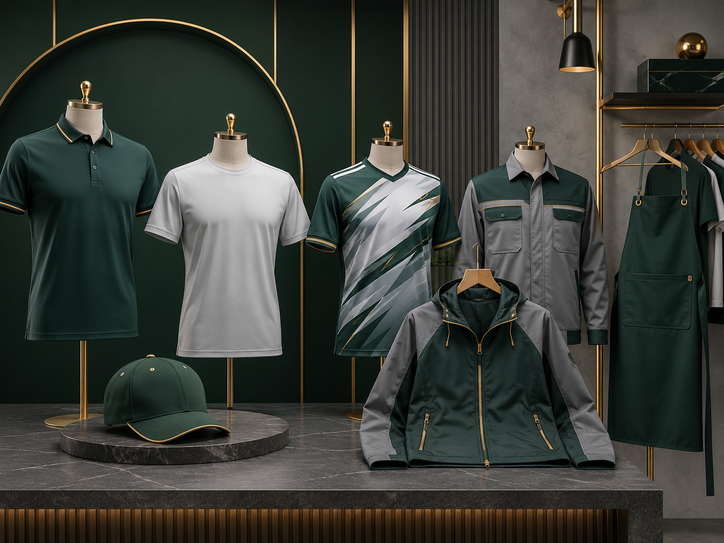
Garment specification
Record the Exact Uniform Product
Start by identifying the actual garment instead of writing only “polo shirt” or “quick-dry tee.” Different models can have different fabrics, collars, measurements, colour ranges and size availability.
Brand and Product Code
Record the brand, model number, garment category and supplier reference.
- Brand name
- Product or style code
- Garment description
- Men’s, women’s, kids or unisex cutting
Composition and Weight
State the fibre content, knit or weave, approximate GSM and useful finishes.
- Cotton, polyester, CVC, TC or microfiber
- Pique, honeycomb, eyelet or jersey construction
- Approximate fabric weight
- Quick-dry, antibacterial or other finishing
Collars, Sleeves and Pockets
Describe all visible construction details that affect the uniform design.
- Round neck, polo, mandarin or corporate collar
- Short sleeve or long sleeve
- Pocket type and position
- Piping, panels, plackets and side slits
Size Chart Reference
Attach the exact chart for the selected product and state the measurement method.
- Chest width or body circumference
- Body length
- Sleeve length
- Measurement tolerance where applicable
Useful Uniform Categories
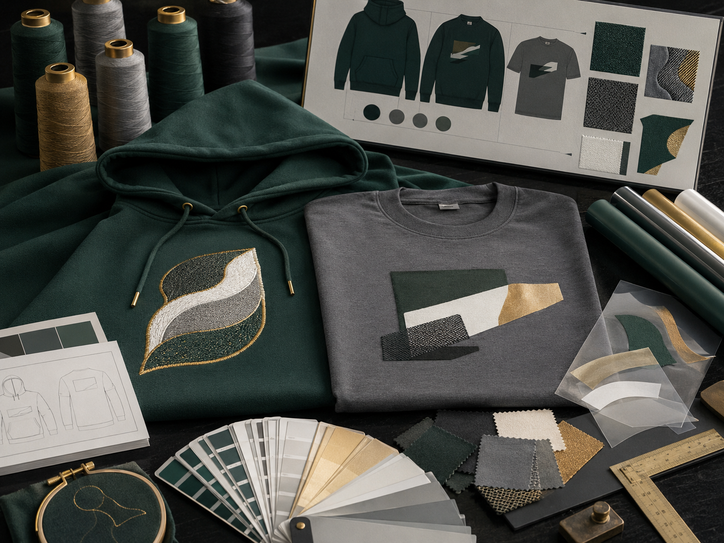
Branding specification
Define Every Logo and Decoration Detail
The branding section should tell production exactly what artwork is used, where it goes, how large it should be and which decoration method applies.
Approved Logo File
Use an approved vector or high-resolution file and record the filename or version.
- Official logo version
- Colour and monochrome alternatives
- Minimum readable size
- Correct spelling and proportions
Location and Measurement
State the position using clear measurements from a reliable garment reference point.
- Left chest, right chest, sleeve or back
- Distance from collar, seam or centre line
- Maximum width and height
- Alignment for different garment sizes
Decoration Technique
Record whether the design uses embroidery, DTF, silkscreen, sublimation or another method.
- Printing or embroidery method
- Ink, film, thread or transfer colour
- Special finish requirements
- Fabric compatibility confirmation
Names, Numbers and Departments
Keep variable information in a structured list rather than informal messages.
- Exact spelling and capitalisation
- Approved font and text height
- Player number or staff ID
- Matching garment size and quantity
Decoration Method Guide
- Use embroidery for suitable polos, jackets, caps and compact corporate logos.
- Use DTF for detailed multicolour artwork and flexible personalisation.
- Use silkscreen for suitable larger quantities with repeated simple designs.
- Use sublimation for compatible polyester jerseys and all-over artwork.
- Record any special care instruction that the decoration requires.
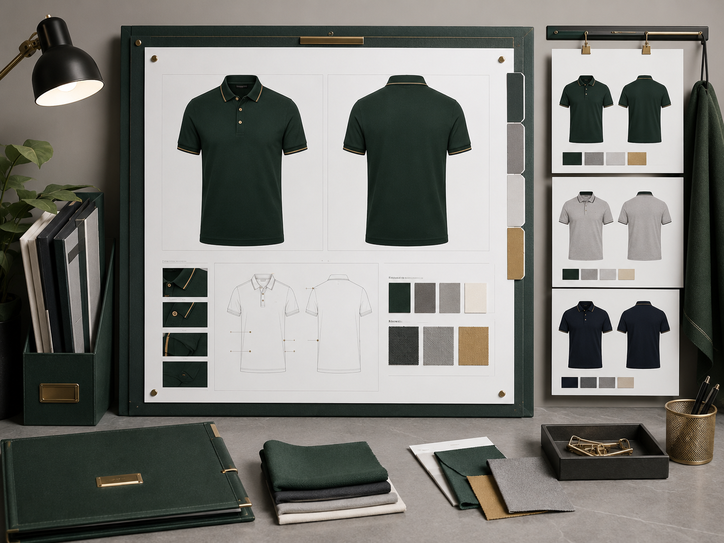
Colour and design control
Make Colours and Visual Details Reproducible
Colour names such as “dark blue” or “bright red” are too broad for a reliable specification. Record the official garment colour, approved artwork colour and any physical reference used during approval.
Using Screenshots
Screen colours vary by device and should not be the only approval reference.
Keeping Old Mockups
Teams may accidentally follow an outdated layout when versions are not controlled.
Writing “Normal Size”
Logo size should be measured, not described with subjective wording.
Colour Information to Include
- Supplier garment colour name and product colour code
- Approved logo colours and brand guidelines
- Thread colour for embroidery
- Ink or print colour reference where available
- Panel, piping, collar and button colours
- Physical sample or swatch approval notes
Design Information to Include
Creation process
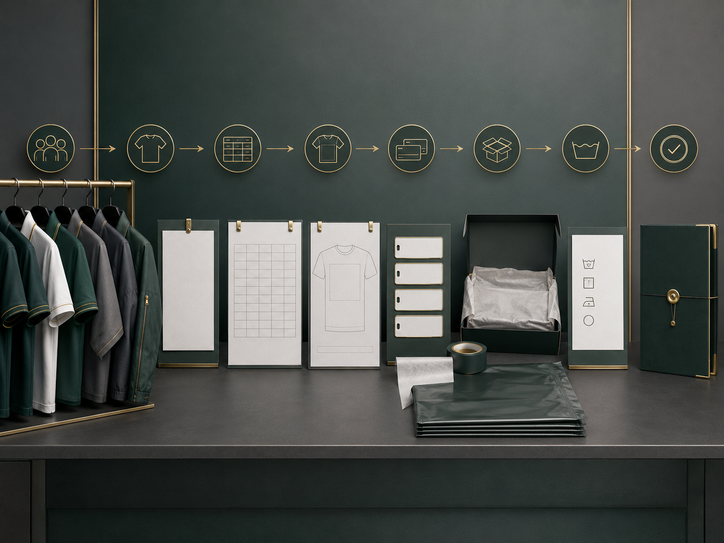
Build the Specification Sheet Step by Step
Define the Uniform Purpose
Record the industry, job role, working environment, expected wear frequency and whether separate department uniforms are needed.
Select the Garment
Confirm the brand, product code, fabric, colour, cutting and size chart.
Document the Branding
Add approved artwork, decoration method, dimensions, colours and placement measurements.
Compile Sizes and Personalisation
Use a structured table that matches each wearer, garment size, name, number and quantity.
Confirm Packing and Delivery
State how garments should be labelled, grouped, packed and delivered.
Approve and Lock the Revision
Add the final revision number, approval date and responsible approver before production.
Buyer scenarios
How Specifications Change by Order Type
Department Consistency
Record garment rules, logo placement and colour differences for office, sales, warehouse and management teams.
Names and Numbers
Include player lists, number sizes, sponsor positions, jersey cut and full-sublimation artwork approval.
Class and House Grouping
Record adult and children’s sizes, class labels, teacher shirts and packing by group.
Role Identification
Define colours or back wording for crew, organiser, media, volunteer and participant roles.
Presentation Standards
Include fit, collar structure, apron coordination, embroidery size and visible-name rules.
Revision and Archive Control
Record previous product codes, approved artwork and any changes caused by stock substitution.
Final checklist
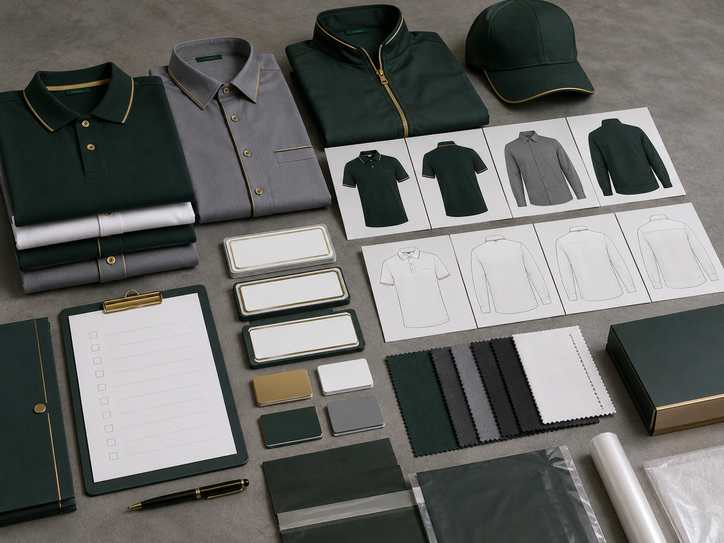
Uniform Specification Sheet Checklist
- Project name and uniform purpose are stated.
- Brand and product code are confirmed.
- Fabric composition, weight and colour are recorded.
- The correct size chart is attached.
- Quantities are broken down by size and department.
- Approved artwork files are identified.
- Logo size and placement measurements are stated.
- The decoration method is confirmed.
- Names, numbers and spelling are checked.
- Packing and delivery instructions are included.
- A final mockup or sample is approved.
- The revision number and approval date are visible.
Common Specification Mistakes
- Writing only the garment type without a product code.
- Using vague colours such as “dark green” without a reference.
- Sending name lists through several separate messages.
- Measuring logo placement from an unclear reference point.
- Using an old size chart after changing the garment model.
- Approving production without locking the final revision.
Frequently asked questions
Questions About Uniform Specifications
Useful Uniform Sabah resources
Plan Your Uniform Order
Prepare a Clear Uniform Specification
Share your garment type, quantity, size list, colours, logo, printing method, packing requirements and Sabah delivery location with Uniform Sabah.
WhatsApp Uniform Sabah Explore Uniform SabahOur company network
Our Other Company Websites
Explore related uniform, apparel and custom-printing services through our regional and international websites.