Do Quick-Dry Shirts Shrink?
Most quick-dry shirts are made from polyester or polyester-rich microfiber, so they generally shrink less than pure cotton. However, that does not mean they can never change size. Excessive heat, unsuitable drying, certain fabric blends and repeated harsh washing can still affect the fit, shape or surface of the garment.
Will a quick-dry shirt shrink in the wash?
Usually only slightly, if at all, when it is washed and dried according to the care label. Polyester fibres are more dimensionally stable than cotton, which is why many sports and uniform shirts hold their shape well. The biggest risk usually comes from unnecessary heat, especially hot washing, high-temperature tumble drying or direct ironing. If the shirt contains cotton or elastane, the blend may respond differently.

How Different Quick-Dry Fabrics React to Shrinkage
Quick-dry is a performance description, not one single fabric. The fibre blend and garment construction determine how stable the shirt is after repeated washing.
| Fabric type | Shrinkage tendency | What affects it most | Care priority |
|---|---|---|---|
| 100% polyester quick-dry | Usually low | Excessive heat and aggressive drying. | Use the care-label temperature and avoid unnecessary high heat. |
| Polyester microfiber | Usually low | Heat, fabric finish and garment construction. | Wash cool or warm as directed and air-dry when practical. |
| Polyester-cotton blend | Low to moderate | The cotton percentage and drying temperature. | Expect slightly more dimensional change than pure polyester. |
| Polyester-elastane blend | Usually low, but shape can change | High heat can stress elastic fibres. | Avoid very hot washing and drying. |
| Lightweight sports mesh | Usually low | Heat and rough handling more than normal washing. | Use a gentle cycle and keep away from heavy garments. |
| Mixed-panel performance shirt | Varies | Different panels can react differently. | Follow the finished garment’s care label. |
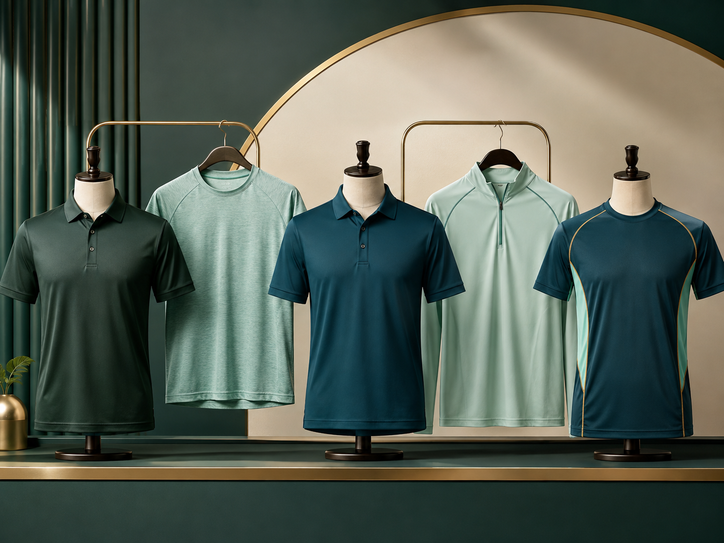
Which Quick-Dry Shirts Hold Their Size Best?
Fabric composition matters, but so do GSM, knit structure, finishing and how the garment is cut.
Stable for everyday uniforms
Polyester microfiber is commonly used for quick-dry polos and sports shirts because it generally keeps its dimensions well under normal washing.
Lightweight and breathable
Eyelet structures allow more airflow and usually have low shrinkage when the fibre is polyester, but the open knit should still be protected from excessive heat and rough washing.
Good shape retention
A polyester polo typically holds collar, body and sleeve dimensions well if washed at the recommended temperature and dried without excessive heat.
Usually low shrinkage
Sublimation jerseys and team sports shirts are often polyester-based, so major shrinkage is uncommon under normal care.
More comfort, slightly more variation
Cotton in the blend can increase softness and absorbency, but it may also increase the chance of minor size change compared with pure polyester.
Protect the elastic fibres
Elastane adds flexibility, but high dryer temperatures can reduce recovery and change the way the shirt fits even if it does not technically shrink much.
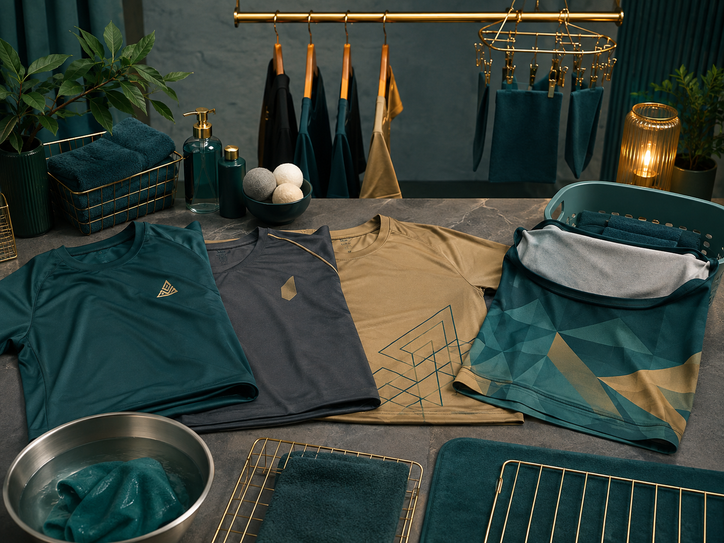
Does Branding Change How You Should Wash Quick-Dry Shirts?
The fabric may resist shrinkage, but printed logos and heat-applied decorations can have lower heat limits than the polyester base.
| Branding method | Heat concern | Better care habit |
|---|---|---|
| DTF printing | High heat can stress the transfer surface and adhesive. | Wash inside out and avoid unnecessarily hot drying. |
| Silkscreen printing | Repeated heat can speed up fading or cracking on some inks. | Use the garment's recommended wash temperature. |
| Heat-transfer vinyl | Heat can affect adhesion and edge stability. | Avoid direct ironing and high dryer settings. |
| Embroidery | The thread may be stable, but the shirt fabric can still distort under heat. | Care for the entire garment, not just the embroidery. |
| Sublimation | The design is integrated into polyester, but high heat is still unnecessary. | Use moderate washing and drying to protect fabric shape and performance. |
Protect the logo
Turning quick-dry uniforms inside out reduces abrasion across prints and transfers.
Heat matters more than speed
Quick-dry fabric already releases moisture fast, so there is usually no need for a very hot dryer.
Avoid direct heat on decoration
Follow the care label and never place a hot iron directly over DTF, vinyl or other heat-sensitive branding.
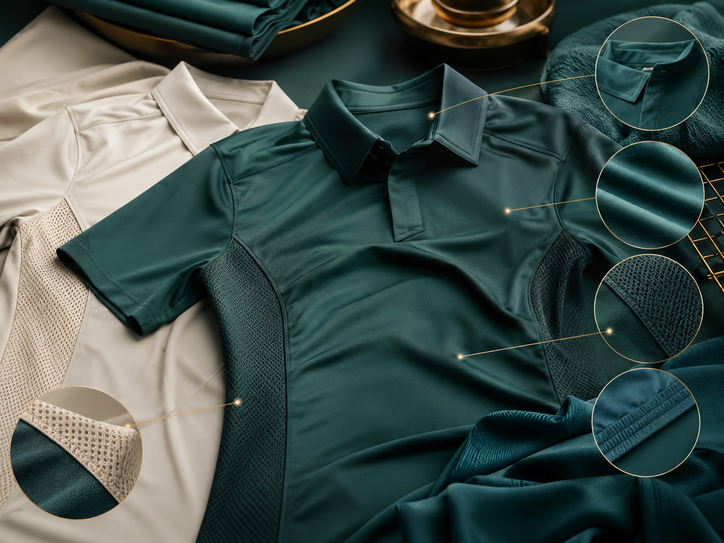
Why a Quick-Dry Shirt May Feel Smaller After Washing
A shirt can feel tighter even when true fibre shrinkage is small. Shape change, elastic recovery, fabric stiffness and incorrect drying can all affect the fit.
Quick-Dry Shirt Care Mistakes to Avoid
Using hot water because the shirt is sweaty
Prompt washing and the correct detergent are usually more important than using very hot water.
High-heat tumble drying
Quick-dry polyester does not need extreme heat to dry efficiently.
Direct ironing
High direct heat can affect polyester and damage printed branding.
Ignoring the fabric blend
A quick-dry label does not guarantee 100% polyester; cotton or elastane may change the care needs.
Overloading the washer
Packed loads increase friction and can leave detergent residue that changes the feel of the shirt.
Buying an already-tight size
A small fit change is more noticeable when the shirt starts with almost no movement allowance.
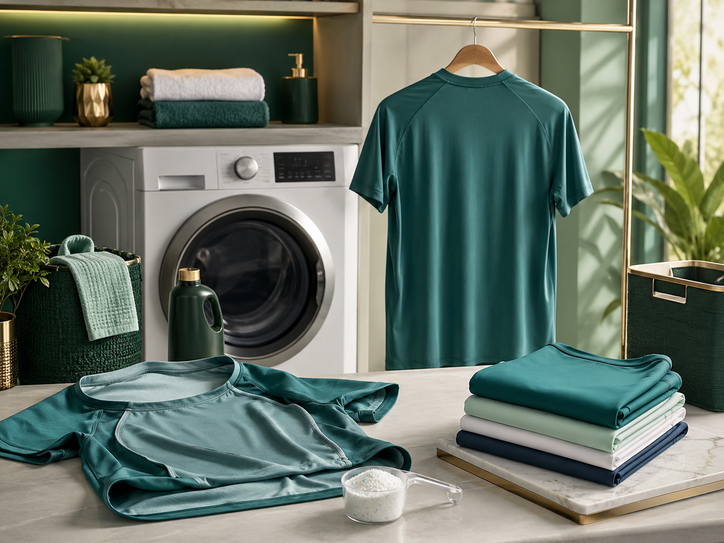
How to Reduce Shrinkage and Shape Change
Use a consistent care routine to help quick-dry uniforms keep their original size, performance and appearance.
Read the care label
Check the maximum wash temperature, drying method and ironing restrictions.
Wash at a moderate temperature
Use cool or warm water as recommended instead of automatically choosing a hot cycle.
Use the correct detergent amount
Too much detergent can leave residue and make performance fabric feel stiff.
Turn printed shirts inside out
This reduces abrasion on DTF, silkscreen and transfer prints.
Air-dry when practical
Quick-dry fabric usually dries fast without a high-temperature tumble dryer.
Store only when fully dry
Complete drying helps prevent odour and keeps the garment ready for the next wear.
Common Quick-Dry Shirt Situations
Jerseys washed after every training session
Frequent washing is normally fine when temperatures stay moderate and the jerseys are not repeatedly exposed to high dryer heat.
Quick-dry uniforms washed daily
Use proper detergent dosing and air-dry when possible to reduce unnecessary heat exposure over many wash cycles.
Polyester microfiber with embroidery
The polo should usually retain its size well, while moderate washing also protects the collar and embroidered logo.
Concern about future sizing
Check the exact fabric composition and size chart, then follow the supplier's care instructions rather than ordering oversized purely for shrinkage allowance.
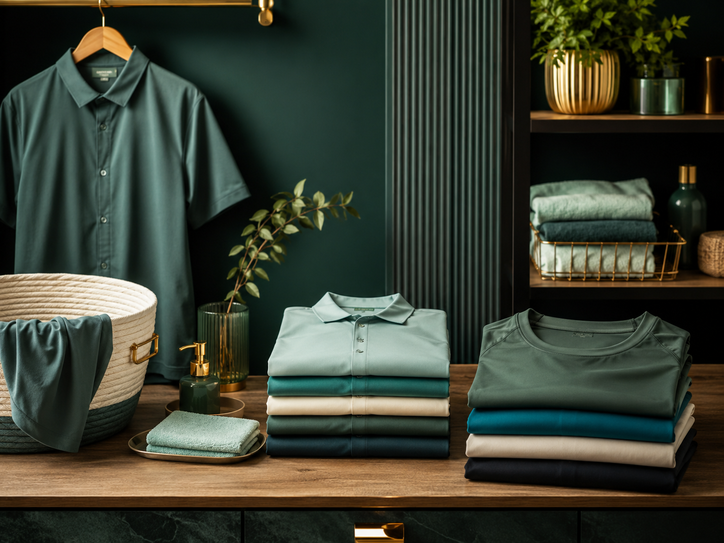
Before Washing a Quick-Dry Shirt
Use this checklist to reduce shrinkage, distortion and damage to performance fabric.
- Read the garment care label.
- Check whether the shirt is polyester or a blend.
- Look for cotton or elastane content.
- Use a moderate wash temperature.
- Turn printed shirts inside out.
- Use the correct detergent amount.
- Avoid overloading the machine.
- Keep heavy towels and jeans out of delicate sportswear loads.
- Use a low or moderate dryer temperature if tumble drying is allowed.
- Air-dry when practical.
- Avoid direct high heat on prints.
- Store only when completely dry.
Quick-Dry Shirt Shrinkage FAQ
Do polyester quick-dry shirts shrink?
Can a quick-dry shirt shrink in the dryer?
Do microfiber shirts shrink?
Will a polyester-cotton quick-dry shirt shrink?
Should I buy one size bigger because of shrinkage?
Can hot water damage quick-dry shirts?
Why does my quick-dry shirt feel tighter after washing?
Is air-drying better for quick-dry shirts?
Choose the Right Fabric and Fit Before You Order
Uniform Sabah can help you compare microfiber, eyelet, performance polos and quick-dry shirts for companies, schools, events, sports teams and outdoor work.
More Quick-Dry and Uniform Resources
Continue with related Uniform Sabah pages for garment selection, branding and custom uniform planning.
Our Other Company Websites
Explore related uniform, apparel and custom-printing services through our regional and international websites.