Cotton vs Quick-Dry T-Shirts: Which Is Better?
Compare comfort, drying speed, appearance, care and printing suitability before choosing shirts for staff, events, sports or outdoor work.
Direct answer
Which T-Shirt Is Better?
Cotton is often better for softness, casual comfort and a natural feel. Quick-dry T-shirts are usually better for active work, outdoor duties, sports and situations where sweat or rain needs to dry faster.
Neither fabric is automatically better for every order. The right choice depends on activity level, working environment, washing frequency, desired appearance and printing method.
Cotton
Suitable for casual uniforms, events, merchandise and indoor use.
Quick-Dry
Suitable for sports, logistics, outdoor crews and humid conditions.
Blended Fabric
Cotton-polyester blends can balance softness, shape and easier care.
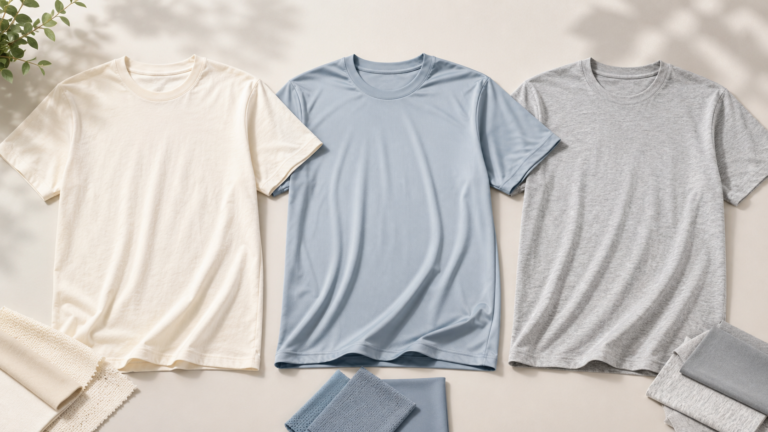
Quick comparison
Cotton and Quick-Dry T-Shirts Compared
| Feature | Cotton T-shirt | Quick-dry T-shirt | Better choice when |
|---|---|---|---|
| Feel against skin | Usually soft with a natural hand feel | Often smoother, lighter or more technical | Choose based on wearer preference and activity |
| Drying speed | Absorbs moisture and may stay wet longer | Usually dries faster after sweat or washing | Quick-dry suits active or outdoor teams |
| Hot-weather use | Comfortable when dry but may feel heavy when soaked | Better for repeated sweating and humid work | Quick-dry suits movement-intensive duties |
| Appearance | Classic casual T-shirt look | Sportier or performance-focused appearance | Cotton suits lifestyle and casual branding |
| Shape and care | May crease, shrink or lose shape depending on the product | Often easier to wash, dry and maintain | Quick-dry suits frequent uniform rotation |
| Printing | Works well with many common print methods | Requires method and heat settings suited to the fabric | Confirm the garment before choosing decoration |
| Common use | Events, merchandise, offices and casual teams | Sports, delivery, logistics, tourism and outdoor crews | Match the fabric to actual work conditions |
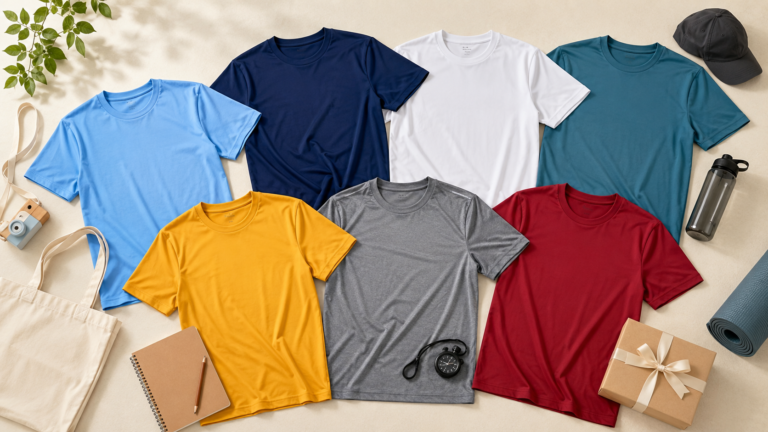
Fabric profiles
Understand the Strengths of Each Fabric
Cotton T-Shirts
Cotton is valued for its soft feel and familiar appearance. It is a practical choice for casual staff uniforms, indoor teams, events and merchandise.
- Soft and comfortable for everyday wear
- Classic casual appearance
- Suitable for many common printing methods
- Available in light, medium and heavyweight options
Quick-Dry T-Shirts
Quick-dry shirts are commonly made from polyester or microfiber fabrics designed to move moisture and dry faster than ordinary cotton.
- Useful for active and outdoor duties
- Usually lighter after becoming wet
- Suitable for repeated uniform rotation
- Often has a sportier appearance
Cotton-Polyester Blends
Blended fabrics can offer some cotton softness with improved shape retention, easier care and faster drying than a comparable pure cotton shirt.
- Useful for general company uniforms
- May wrinkle less than pure cotton
- Can balance comfort and maintenance
- Performance varies by blend ratio and knit
Fabric Is Only One Factor
A comfortable shirt also depends on the cutting, sleeve shape, fabric weight, ventilation, colour and whether the wearer has enough room to move.
- Compare actual garment measurements
- Check fabric thickness and transparency
- Test movement for the intended job
- Review a sample before a large order

Printing and branding
Which Fabric Is Better for Custom Printing?
Cotton and quick-dry shirts can both be customised, but the decoration method must suit the exact fabric and garment construction.
Silkscreen and DTF
Cotton T-shirts are commonly selected for silkscreen and DTF because they provide a familiar surface for bold logos and detailed artwork.
- Silkscreen suits simple bulk designs.
- DTF suits colourful, detailed artwork.
- Large prints can reduce breathability.
- Fabric texture affects the final finish.
DTF, Silkscreen or Sublimation
Performance shirts can support several methods, but heat, dye migration, stretch and fabric texture must be considered.
- Use settings suited to polyester fabric.
- Keep large transfers away from high-sweat areas.
- Sublimation suits compatible polyester garments.
- Test difficult colours before bulk production.
Embroidery
Small embroidered logos can work on suitable cotton or performance polos, provided the fabric has enough structure to support the stitches.
- Use compact logo artwork.
- Avoid excessive stitch density.
- Check comfort on lightweight fabric.
- Review backing and inside finishing.
Sublimation Jerseys
Sublimation is a strong choice for compatible polyester when the design includes full-colour patterns, names, numbers or large artwork areas.
- No heavy surface print layer
- Suitable for sports and teamwear
- Allows full garment artwork
- Requires compatible polyester fabric

Use, colour and care guide
Choose According to Real Wearing Conditions
Using Heavy Cotton Outdoors
Thicker cotton can remain wet and heavy after sweating or rain.
Assuming All Polyester Feels Cool
Fabric weight, knit and fit can make some performance shirts feel warm.
Ignoring Sweat Visibility
Some mid-tone colours show temporary moisture marks more clearly than others.
Choose Cotton When
- The event or work is mainly indoors.
- A soft, natural and casual feel is preferred.
- The shirt is used for merchandise or lifestyle branding.
- Large silkscreen or DTF artwork is required.
- The wearer is unlikely to become heavily soaked.
Choose Quick-Dry When
- The wearer works outdoors or moves continuously.
- Shirts are exposed to sweat, rain or frequent washing.
- Faster drying and easier rotation are priorities.
- The team needs a sporty or performance appearance.
- The activity includes logistics, tourism, sports or events.
Useful Buying Factors

Selection process
How to Choose the Right T-Shirt Fabric
Identify the Main Activity
Decide whether wearers will sit indoors, move constantly, work outdoors or participate in sports.
Estimate Heat and Moisture
Consider sweat, rain, humidity, air-conditioning and how quickly the shirt needs to dry.
Choose the Desired Appearance
Select a casual cotton look, a sportier quick-dry style or a balanced blended fabric.
Check the Printing Method
Match the garment to DTF, silkscreen, embroidery or sublimation before approving artwork.
Review Samples and Size Charts
Compare fabric feel, transparency, stretch, fit and measurements using the exact product model.
Plan Care and Replacement
Choose a shirt that staff can wash, dry and replace easily within the uniform programme.
Buyer scenarios
Best Fabric for Different Occasions
Cotton or Light Quick-Dry
Choose cotton for a relaxed event or quick-dry fabric when games and outdoor activities are planned.
Quick-Dry
Faster drying is useful for logistics, delivery, maintenance and other active duties.
Cotton or Blend
A soft cotton or blended tee can provide a neat, relaxed staff appearance indoors.
Quick-Dry or Sublimation
Performance fabric is generally more suitable for movement, sweat and repeated team use.
Cotton
Cotton provides a familiar retail-style feel for campaigns, gifts and branded merchandise.
Use Both
Keep the branding consistent while assigning cotton indoors and quick-dry outdoors.

Buyer checklist
Cotton vs Quick-Dry Checklist
- The working environment is identified.
- The wearer’s activity level is considered.
- Fabric weight and transparency are checked.
- The exact product size chart is reviewed.
- Sweat and drying needs are considered.
- The printing method suits the fabric.
- A sample is reviewed before a large order.
- Washing and drying facilities are considered.
- Colour and sweat visibility are checked.
- Future reorders can use the same product code.
Common Buying Mistakes
- Choosing cotton only because it feels soft in the showroom.
- Assuming every quick-dry shirt has the same performance.
- Ignoring fabric weight and knit structure.
- Choosing a print method before confirming the garment.
- Using one shirt type for every department.
- Ordering without checking actual garment measurements.
Frequently asked questions
Questions About Cotton and Quick-Dry Shirts
Useful Uniform Sabah resources
Continue Planning Your T-Shirt Order
Choose the Right Fabric for Your Team
Share your quantity, working environment, preferred style, sizes, colours, logo and Sabah delivery location for a suitable recommendation.
WhatsApp Uniform Sabah Explore Uniform SabahOur company network
Our Other Company Websites
Explore related uniform, apparel and custom-printing services through our regional and international websites.