How Much Does T-Shirt Printing Cost?
T-shirt printing cost depends on more than just the shirt itself. The final price is usually affected by the garment brand and fabric, printing method, print size, number of colours, quantity, artwork preparation and whether each shirt needs names, numbers or other personalisation.
What determines the price of a printed T-shirt?
The biggest cost factors are usually the blank shirt, printing method, order quantity and artwork complexity. A simple one-colour logo on a large bulk order is priced differently from a full-colour photo, oversized back print or individually personalised team jersey. Larger quantities often reduce the cost per piece because setup and production time are spread across more shirts. For an accurate price, provide the shirt type, quantity, sizes, print locations and artwork before requesting a quotation.
What Affects T-Shirt Printing Cost?
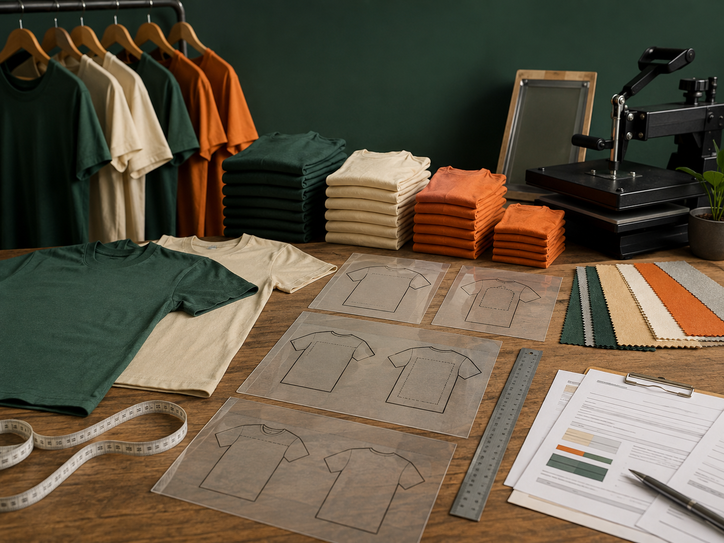
A quotation is normally built from several parts. Understanding these cost drivers makes it easier to compare options and control your budget.
| Cost factor | Lower-cost situation | Higher-cost situation | Why it changes the price |
|---|---|---|---|
| Order quantity | Larger bulk quantity | Very small quantity | Setup and production time can be spread across more pieces. |
| Shirt type | Basic round-neck tee | Premium polo, jacket or specialised performance shirt | Different garments have different base costs. |
| Print size | Small chest logo | Large front, back or oversized print | Larger artwork uses more material, ink or production time. |
| Print colours | Simple one-colour artwork | Full-colour photo or many spot colours | Some methods need more setup for additional colours. |
| Print locations | One location | Front + back + sleeves | Every extra location adds handling and production time. |
| Personalisation | Same design for everyone | Individual names, numbers or departments | Each shirt may require separate artwork or setup. |
| Artwork readiness | Clean print-ready file | Low-resolution logo requiring redraw or cleanup | Artwork preparation adds design time. |
How the Shirt Itself Changes the Budget
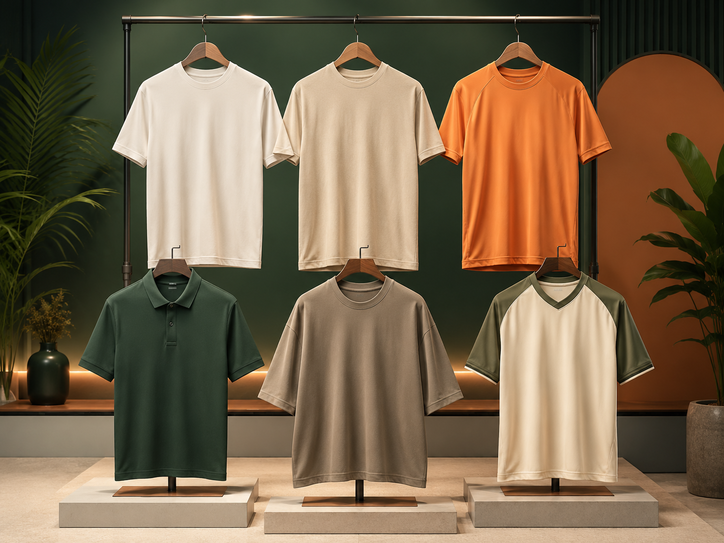
Printing is only one part of the total cost. The blank garment can make a major difference, especially on large uniform orders.
Usually the most budget-friendly starting point
Standard cotton, microfiber or blended tees are often suitable for events, promotions and staff uniforms where a simple printed design is needed.
Good for active use
Performance polyester may cost more than a basic promotional tee, but it offers faster drying and can suit outdoor teams or sports events better.
More structured corporate appearance
Polos generally have a higher garment cost because of collars, plackets and more complex construction.
Higher fabric cost
Heavy GSM, combed cotton or oversized fashion cuts can increase the base garment price before printing begins.
More material and construction
Long sleeves, zippers, cuffs and lining can increase both garment cost and printing difficulty.
Different pricing structure
Full custom jerseys combine fabric printing, cutting and sewing, so they are quoted differently from printing onto ready-made blank shirts.
How Printing Method Changes the Cost
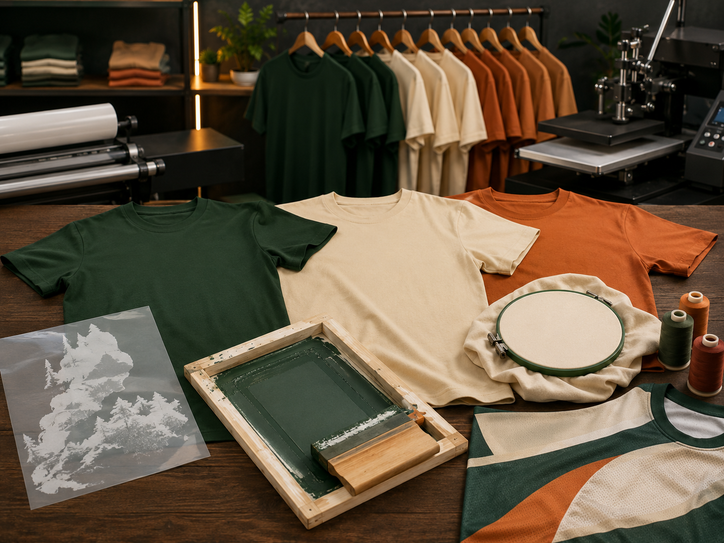
There is no single cheapest method for every job. The best-value option depends on quantity, artwork and fabric.
| Method | Usually best for | Cost behaviour | Important consideration |
|---|---|---|---|
| DTF printing | Small to medium quantities, full-colour artwork and mixed fabrics. | Flexible because colour count usually has less impact than traditional screen setup. | Large print areas can increase transfer cost. |
| Silkscreen printing | Larger quantities and simple colour artwork. | Setup cost is higher, but cost per piece can become attractive on bulk runs. | Each colour may require additional screen setup. |
| Embroidery | Corporate polos, jackets and premium uniforms. | Cost depends heavily on stitch count, logo size and complexity. | Large dense embroidery can become expensive and heavy. |
| Sublimation | Full-colour polyester jerseys and sportswear. | Good value when the design covers large areas because colour is built into the fabric print. | Works best on polyester and is often part of a custom-made garment process. |
| Heat-transfer vinyl | Names, numbers and simple personalised designs. | Practical for individual customisation. | Many different names or numbers increase handling time. |
Flexible for detailed artwork
Useful when you need full-colour graphics without paying separate setup for every colour.
Strong for bulk simple designs
Often economical for large runs with limited colours because the setup is shared across many shirts.
Premium appearance
Best suited to smaller logos on polos, jackets and corporate wear rather than very large artwork.

Design Choices That Increase Printing Cost
A few artwork decisions can make a large difference to the quotation, especially when multiplied across hundreds of shirts.
Costing Mistakes to Avoid
Comparing quotations with different shirt models
A cheaper quote may simply use a lower-cost blank garment.
Not stating the exact print size
A small logo and a full-front graphic should not be expected to cost the same.
Changing artwork after quotation
Adding colours, locations or personalisation can change the final price.
Ordering too few pieces for a bulk method
Some methods become more economical only when setup is spread across a larger quantity.
Ignoring artwork preparation
Low-resolution files may require redraw or cleanup before production.
Choosing the cheapest method without considering use
The lowest initial price may not suit the fabric, durability needs or desired appearance.

How to Get an Accurate T-Shirt Printing Quote
Giving complete information from the start helps the supplier quote faster and reduces price changes later.
Choose the shirt type
Specify cotton, microfiber, polo, premium tee, jersey or another garment.
Confirm quantity and sizes
Provide the total quantity plus an estimated size breakdown if available.
Send the artwork
Provide the highest-quality logo or design file so the printing method can be assessed correctly.
State print locations
List left chest, front, back, sleeves or any other required positions.
Confirm personalisation
Tell the supplier whether each shirt needs different names, numbers or departments.
Compare the complete specification
Make sure every quotation includes the same garment, printing method, quantity and finishing requirements.
Common T-Shirt Printing Cost Scenarios
Small embroidered chest logo
Cost is driven by the polo or T-shirt selected, embroidery stitch count and total quantity.
One-colour front print in bulk
Silkscreen may be cost-effective when the quantity is high and the artwork is simple.
Full-colour photo design
DTF can be practical because it supports detailed full-colour artwork without large screen setup requirements.
Names and numbers for every player
Personalisation increases production work, so the quotation should include every name and number requirement.
Before Requesting a Printing Quotation
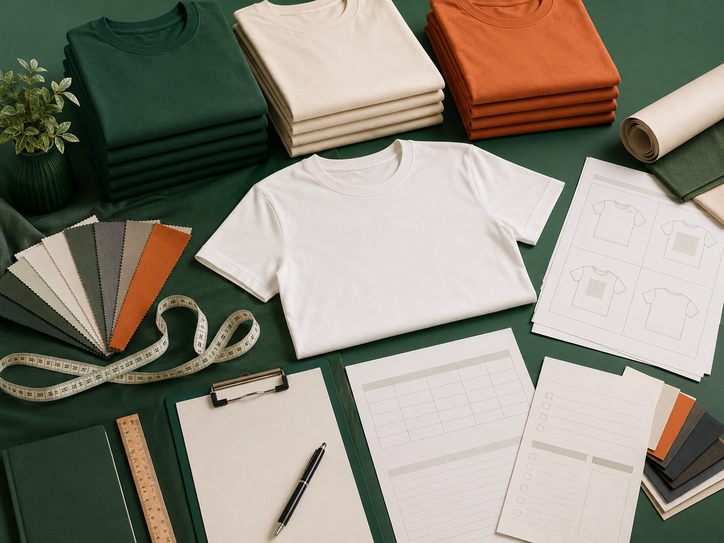
Prepare these details so the supplier can quote the correct job instead of making assumptions.
- Choose the shirt type or brand.
- Confirm the total quantity.
- Prepare an estimated size breakdown.
- Decide shirt colours.
- Send the artwork or logo file.
- State the print size.
- List every print location.
- Confirm whether artwork is one colour or full colour.
- State whether names or numbers are required.
- Confirm the preferred printing method if known.
- Check whether delivery or special packing is required.
- Compare quotations using the same specification.
T-Shirt Printing Cost FAQ
Why is bulk T-shirt printing cheaper per piece?
Does the number of print colours affect the price?
Is DTF cheaper than silkscreen?
Does printing on the back cost extra?
Do names and numbers increase the price?
Does shirt quality affect the total cost?
Can I reduce printing cost without reducing quality?
What information is needed for an accurate quote?
Get a Quote Based on Your Actual Requirements
Uniform Sabah can help you compare shirt types, DTF, silkscreen, embroidery and sublimation options for companies, schools, events, sports teams and organisations.
More T-Shirt Printing Resources
Continue with related Uniform Sabah pages for custom apparel, branding and printing options.
Our Other Company Websites
Explore related uniform, apparel and custom-printing services through our regional and international websites.